May 2024

Spotlight: Disaster Recovery Programs – Part 1

Off
Newsroom Default Image

Series of videos highlighting HCD’s Disaster Recovery programs and the communities they serve. Part 1 of 3. Please visit HCD's vital Disaster Recovery programs for more information.

Can you also please add this text to the description on this page:

In case you missed it: View Part 1 and Part 2 of the video series.

May 13, 2024
On
Video

Chico Breaks Ground on City’s Largest Infrastructure Project

Off
Chico, CA
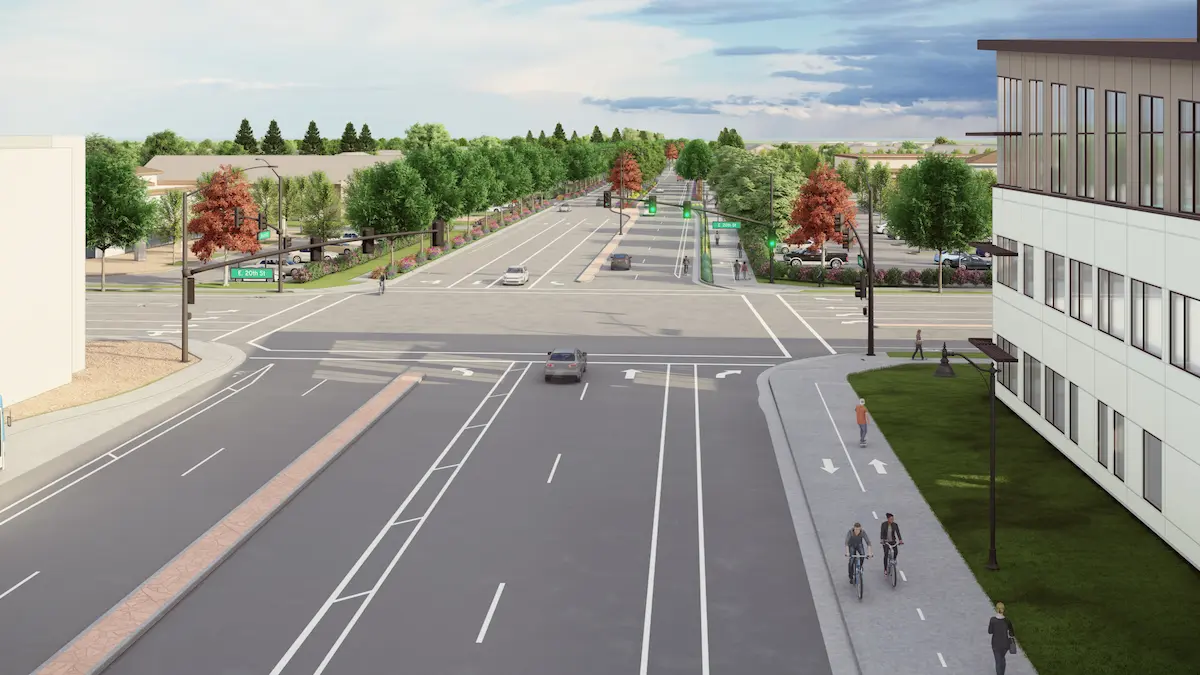
Project rendering, aerial view

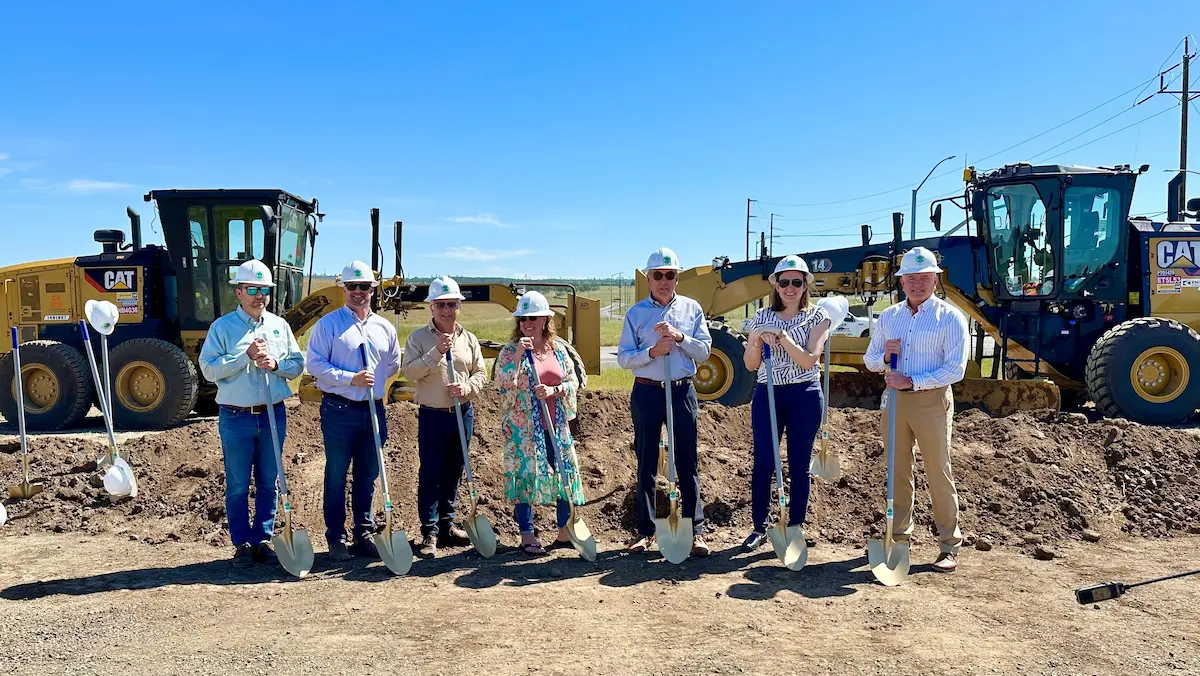
The Chico community recently celebrated the groundbreaking of the Bruce Road Reconstruction project—the largest infrastructure project in the City of Chico’s history.

Funded largely by a $22 million grant from HCD’s Infill Infrastructure Grant Program, this project represents a significant investment in the city’s transportation infrastructure. The Bruce Road Reconstruction project will reconstruct and widen approximately two miles of a two-lane roadway into four lanes and include bike lanes, street lighting, and expanded walkways. The two-lane bridge over Little Chico Creek also will be replaced and widened into a structure that is better able to better manage increased traffic and will allow greater accessibility for pedestrians. The project includes a landscaped median to help improve road user safety.

This project will help accommodate future planned housing developments, including a 101-unit affordable housing project aimed at supporting low-income residents earning 30-50% of the Area Median Income. According to the City of Chico, the Bruce Road Reconstruction project is expected to trigger the construction of more than 1,300 single family homes, including a minimum of 260 affordable housing units.

Project rendering
Project groundbreaking ceremony
  • Infrastructure
  • Success Stories
  • May 14, 2024
    Off
    Article

    State Calls on Half Moon Bay to Approve Housing for Senior Farmworkers

    Off
    Half Moon Bay, CA
    HCD logo and graphic of justice scales with text Accountability.

    The California Department of Housing and Community Development (HCD) today issued a letter to the chair and members of the Half Moon Bay Planning Commission, expressing support for a planned HCD-funded affordable housing project and cautioning that delaying or denying the project “may result in the violation of one or more state housing laws.”

    In January 2023, a shooting in Half Moon Bay claimed seven lives. In the days that followed, the tragedy also exposed squalid living conditions for local farmworkers and highlighted the urgent need for quality affordable housing. Yet a project to build a 40-unit complex for very low- and extremely low-income senior farmworkers on city-owned land has hit a roadblock at the Planning Commission, which has scheduled a third hearing on the project for May 14.

    In a strongly worded statement, Governor Gavin Newsom called the delay “egregious” and pledged that HCD’s Housing Accountability Unit would “take all necessary steps to hold Half Moon Bay accountable if the project does not move forward as state law requires.”

    HCD Director Gustavo Velasquez echoed the Governor’s sentiments on social media, writing, “HCD is ready to tackle this one, working with Half Moon Bay officials and development partners to see this built. This is what our housing accountability shop was created for, and this is what we will continue to focus on.”

    Read HCD’s letter to Half Moon Bay Planning Commissioners.

  • Accountability
  • May 10, 2024
    Off
    Article

    Career Connections

    Event Details
    • Time & Date: Saturday 05/30/2026 08:38 pm -- 08:38 pm
    • Location:

    This event is open to the public.

    Please contact HCD Careers at careers@hcd.ca.gov for more information.

    San Francisco Marks End of Construction for Revitalized Sunnydale

    Off
    San Francisco, CA
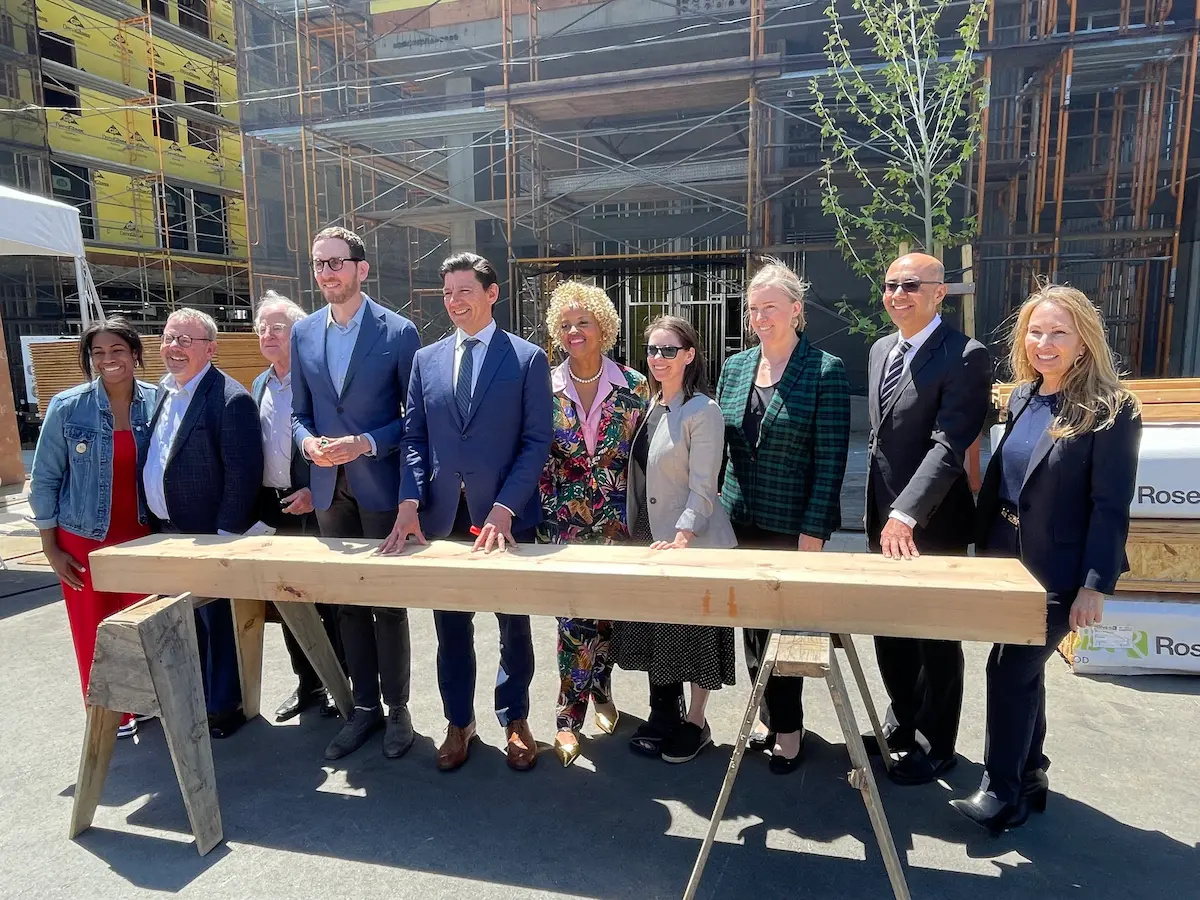
    HCD Director Velasquez and other community leaders posing behind ceremonial beam at celebration.

    The San Francisco community today celebrated the “topping off” of two new affordable housing developments at Sunnydale, one of four former public housing sites that comprise San Francisco’s HOPE SF Initiative—the nation’s first large-scale community development and reparations initiative aimed at creating inclusive, mixed-income, and thriving communities without the mass displacement of existing residents.

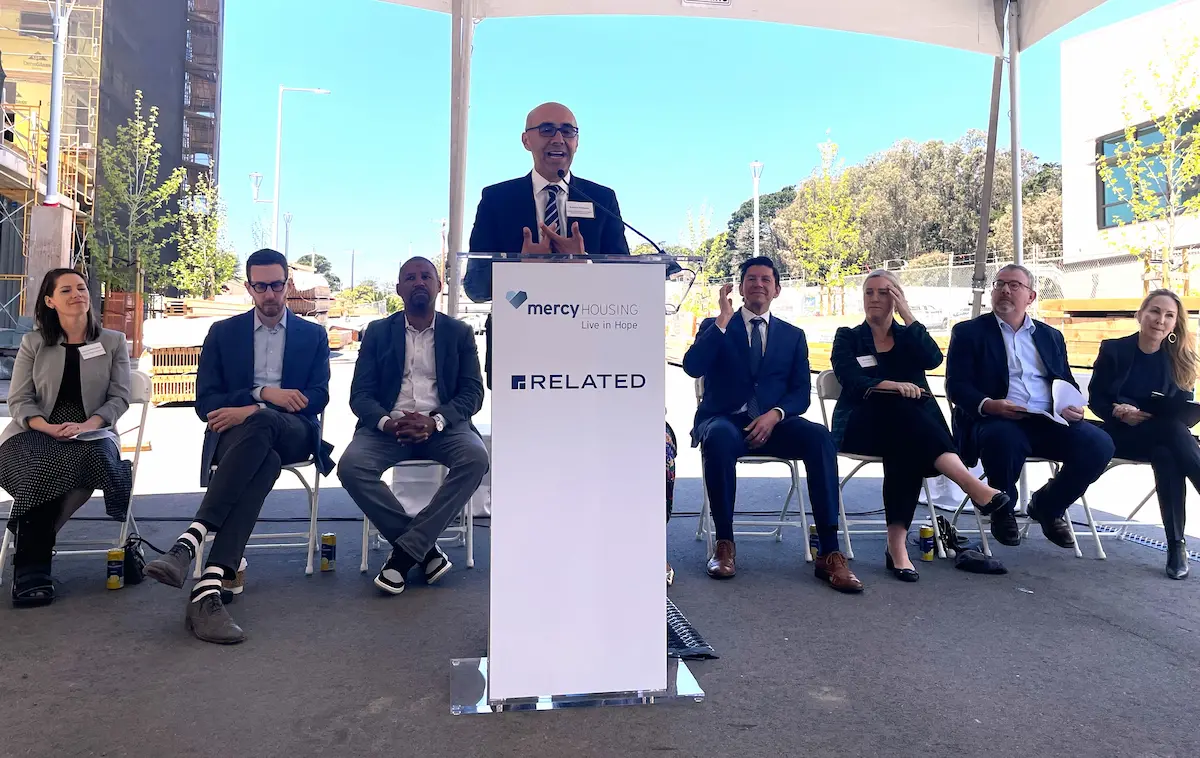
    “Sunnydale provides a great example of HCD’s funding programs working in tandem to help a very important, shovel-ready project break ground quickly—and to get the needed infrastructure improvements in place to support the community,” said HCD Director Gustavo Velasquez, who was on hand to celebrate the last beam going into place for Sunnydale 3A and 3B. “These projects are not only putting a new face on public housing; they are connecting residents to services, resources, and transit and opening a world of opportunity.”

    In collaboration with the Mayor’s Office of Housing and Community Development and the San Francisco Housing Authority, Mercy Housing and Related California are transforming the Sunnydale-Velasco public housing project into a vibrant mixed-income and mixed-use neighborhood.

    Sunnydale 3A and 3B’s 170 affordable units will serve low- and very low-income residents, with 75 percent of units reserved for current public housing residents. The two buildings were made possible by more than $65 million from HCD’s California Housing Accelerator, Infill Infrastructure Grant Catalytic, and Affordable Housing and Sustainable Communities programs.

    All told, the master plan calls for the 50-acre Sunnydale site to include 775 rebuilt public housing units, 1000 new affordable and market-rate homes, new streets and infrastructure, a health and wellness center, and early childhood education center, groceries and other retail, open space, bike storage, and neighborhood services.

    HCD Director Velasquez speaking at the celebration.

    HCD Director Velasquez speaking at the celebration.

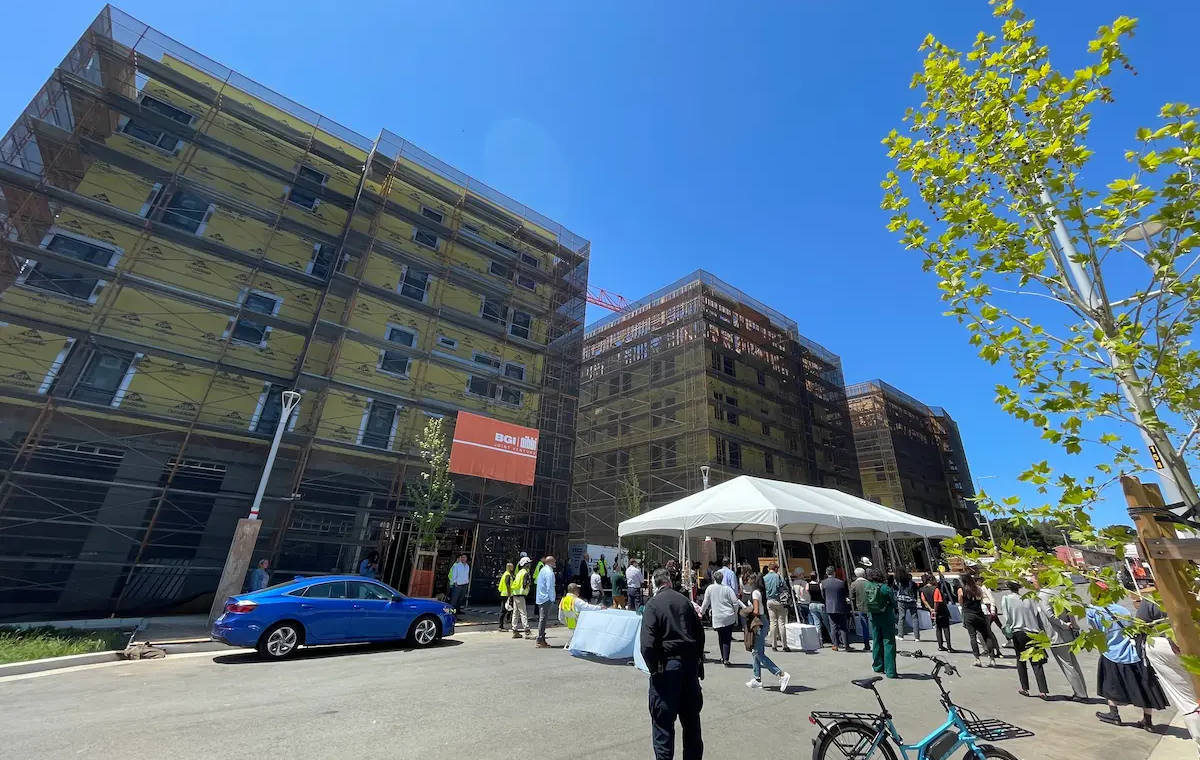
    Sunnydale 3A and 3B buildings.

    Sunnydale 3A and 3B buildings.

  • Affordable Housing
  • Success Stories
  • May 8, 2024
    Off
    Article

    Career Connections

    Event Details
    • Time & Date: Saturday 05/30/2026 08:38 pm -- 08:38 pm
    • Location:

    This event is open to the public.

    Please contact HCD Careers at careers@hcd.ca.gov for more information.

    Career Connections

    Event Details
    • Time & Date: Saturday 05/30/2026 08:38 pm -- 08:38 pm
    • Location:

    This event is open to the public.

    Please contact HCD Careers at careers@hcd.ca.gov for more information.

    Governor Newsom Sponsors Legislation to Expand Local Governments' Responsibility to Plan for the Housing Needs of People Experiencing and at Risk of Homelessness

    Off
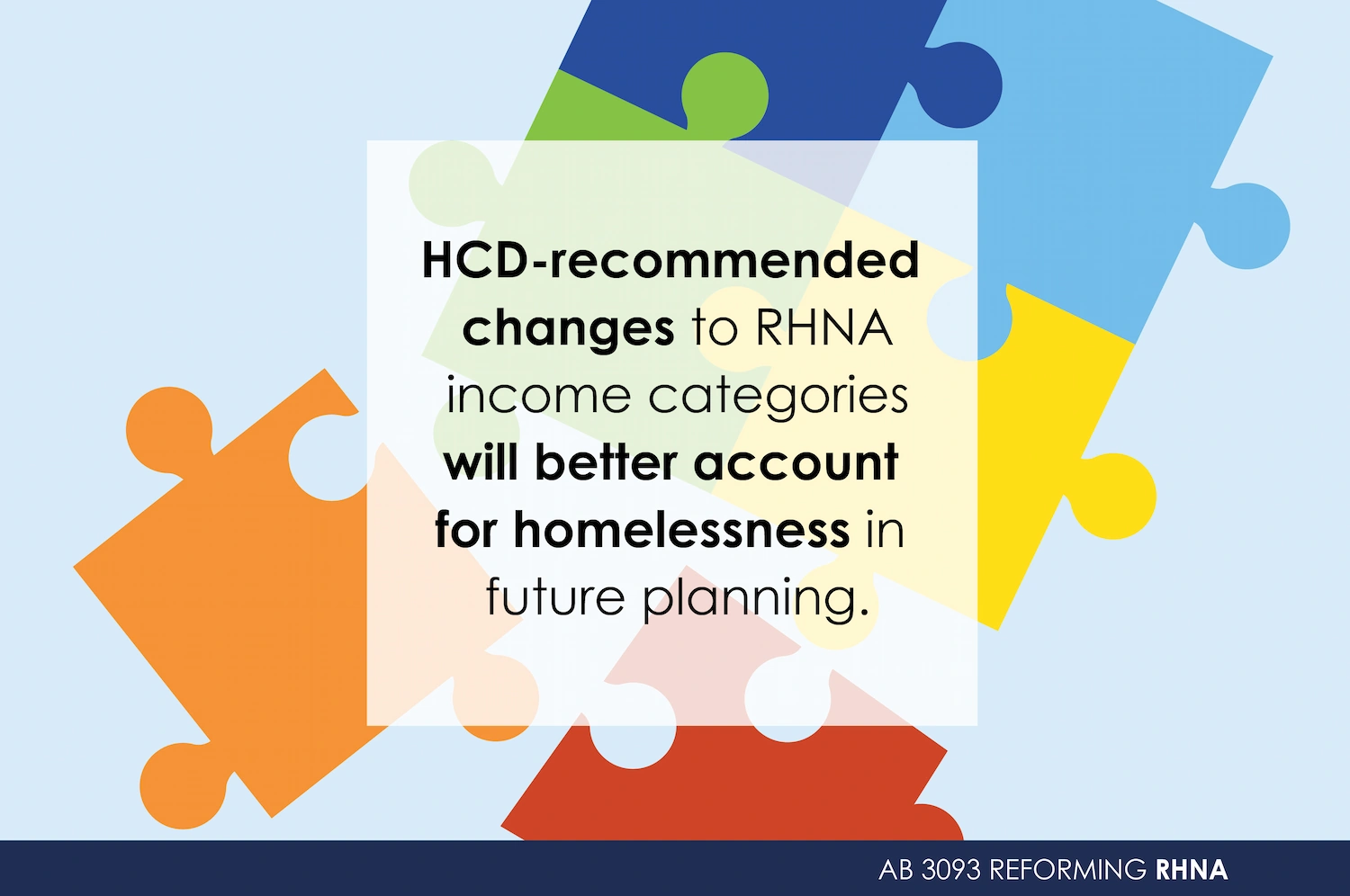
    HCD-recommended changes to RHNA income categories will better account for homelessness in future planning.

    WHAT YOU NEED TO KNOW: The Governor is sponsoring new legislation that will add measures to hold cities and counties accountable when they fail to adequately address homelessness. The legislation, AB 3093 (Ward), will ensure that local jurisdictions meaningfully account for the needs of their homeless populations and lowest income households as part of the Regional Housing Needs Allocation (RHNA) process and in local housing plans.

    SACRAMENTO – Building on new measures that will increase oversight of state homelessness funding to ensure accountability by local jurisdictions, Governor Gavin Newsom today announced his support for new legislation to ensure cities and counties do their part to tackle homelessness. The legislation – Assembly Bill 3093, introduced by Assemblymember Chris Ward (D-San Diego) – will require that local jurisdictions comprehensively consider the needs of homeless populations as part of the RHNA process and in their Housing Element planning efforts.

    By creating new income categories to more accurately capture the needs of individuals experiencing and at risk of homelessness and requiring local jurisdictions to consider each of those categories in their Housing Elements, this bill would require communities to more comprehensively plan for the housing needs of individuals currently experiencing or at risk of homelessness. The legislation will also require each region to submit data on the needs of individuals and families experiencing homelessness to better ensure that they are accounted for in the RHNA process. This is part of a larger effort by the administration to boost access to housing and ensure accountability to address homelessness at the local level.

    WHAT THE GOVERNOR SAID: “This new approach will require locals to better account for the needs of the lowest-income households and people experiencing homelessness in their long-term housing plans. The state will continue to take action to provide greater accountability and ensure that communities are aggressively working toward the creation of more housing and addressing the needs of individuals experiencing homelessness.” AB 3093 comes as part of recommendations by the California Department of Housing and Community Development (HCD) in their recently released California's Housing Future 2040: The Next Regional Housing Needs Allocation (RHNA).

    "Far too often, we're attempting to address the issue of homelessness without the complete picture," said Assemblymember Chris Ward (D-San Diego). "Those who are already unhoused or on the brink of falling into homelessness are not represented in our housing planning processes. AB 3093 will ensure that our most vulnerable residents are included into the Regional Housing Needs Allocation so we can recognize and plan for the housing needs of those earning the lowest incomes in our state."

    Informed by extensive stakeholder engagement, the report includes recommended changes to the RHNA and Housing Element process to more effectively plan for the housing that will be needed across the state by 2040. Among these recommendations was that the RHNA determination process be revised to better account for the housing needs of Californians experiencing and at risk of homelessness.

    "With a record number of people experiencing homelessness, policymakers need timely and detailed data to design and implement solutions that effectively address this crisis," said Business, Consumer Services and Housing Agency Secretary Tomiquia Moss. "This legislation will better capture the full extent of housing needs across income levels so that we can more effectively plan to meet those needs."

    "The state's actions, particularly on an issue as critical and as prevalent as homelessness, should always be informed by the best possible data," said HCD Director Gustavo Velasquez. "With the partnership of our regional governments, we can identify communities with the greatest need for permanent supportive housing and deploy our resources and assistance in a way that makes the greatest impact."

    Currently, RHNA categorizes those earning at or below 50% of Area Median Income (AMI) as very low-income. This bill would distribute this category into very low-income (30-50% AMI), extremely low-income (15-30% AMI), and acutely low-income (0-15% AMI), better preparing jurisdictions to plan for housing that meets the needs of the lowest-income households and people experiencing homelessness. In turn, these updates will help HCD hold jurisdictions accountable to meeting their housing goals and addressing homelessness in their communities. 

    Governor Newsom is challenging the status quo and implementing new approaches to solve the dual crises of housing and homelessness, with a focus on greater accountability. The Governor recently tapped HCD's highly successful Housing Accountability Unit (HAU) for an expanded role over state homelessness investments, with HAU becoming the Housing and Homelessness Accountability and Results Partnership Unit, otherwise known as HHARP. Since its inception, HAU has unlocked more than 23,000 units of housing that otherwise may not have been built.

    To learn more about this proposed legislation, click here.

  • Press Release
  • May 7, 2024
    Off
    Article

    Career Connections

    Event Details
    • Time & Date: Saturday 05/30/2026 08:38 pm -- 08:38 pm
    • Location:

    This event is open to the public.

    Please contact HCD Careers at careers@hcd.ca.gov for more information.

    New Transit-Oriented Supportive Housing Opens in San Jose

    Off
    San Jose, CA
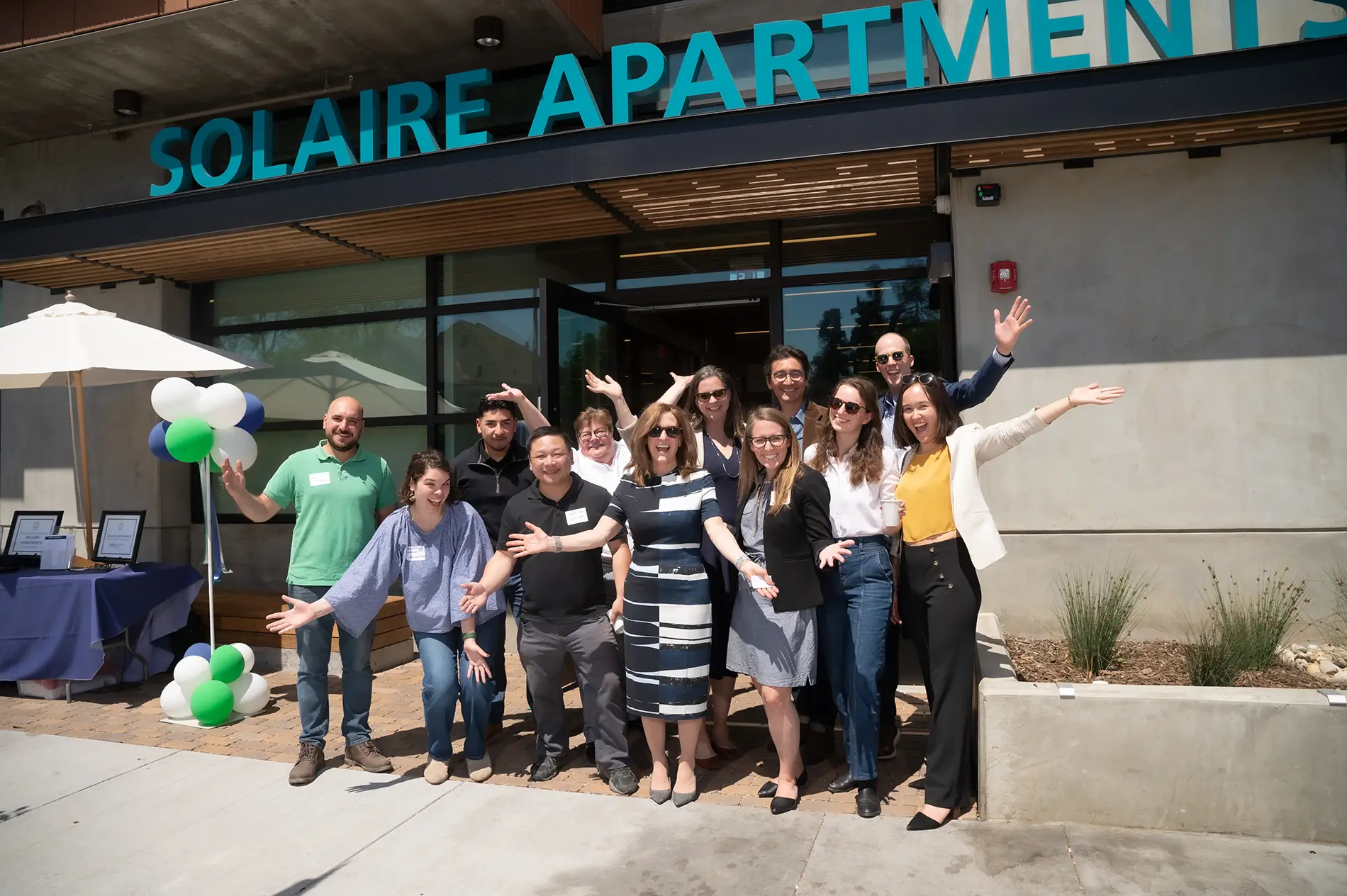
    People posing in celebration with outstretched hands in front of Solaire Apartments

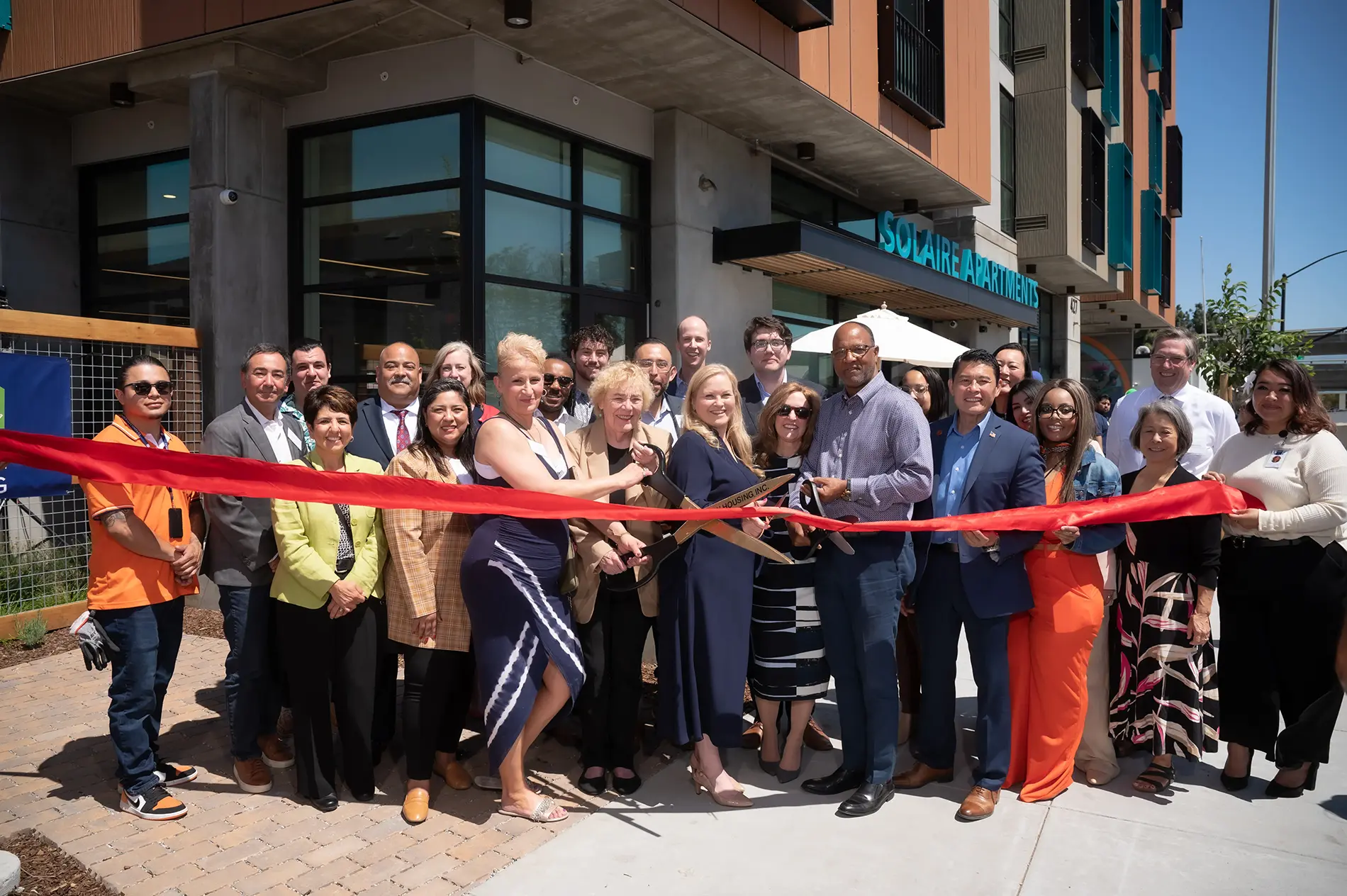
    The San Jose community recently celebrated the grand opening of Solaire Apartments, bringing new and much-needed supportive, transit-oriented, affordable housing for low-income and very low-income families, seniors, and individuals to Santa Clara County.

    The complex provides 130 affordable homes, with half dedicated as permanent supportive housing for individual and families experiencing or at risk of experiencing homelessness. A project of Eden Housing, Solaire Apartments will have on-site supportive services available for its residents, including educational, career, wellness programs, and case management—a model that will grow in California in the years ahead after voters approved Proposition 1.

    The California Department of Housing and Community Development helped make Solaire Apartments possible with funding from its No Place Like Home and Infill Infrastructure Grant programs. The development is located near the Diridon Station and many other transportation options, and it is close to vital services and community resources.

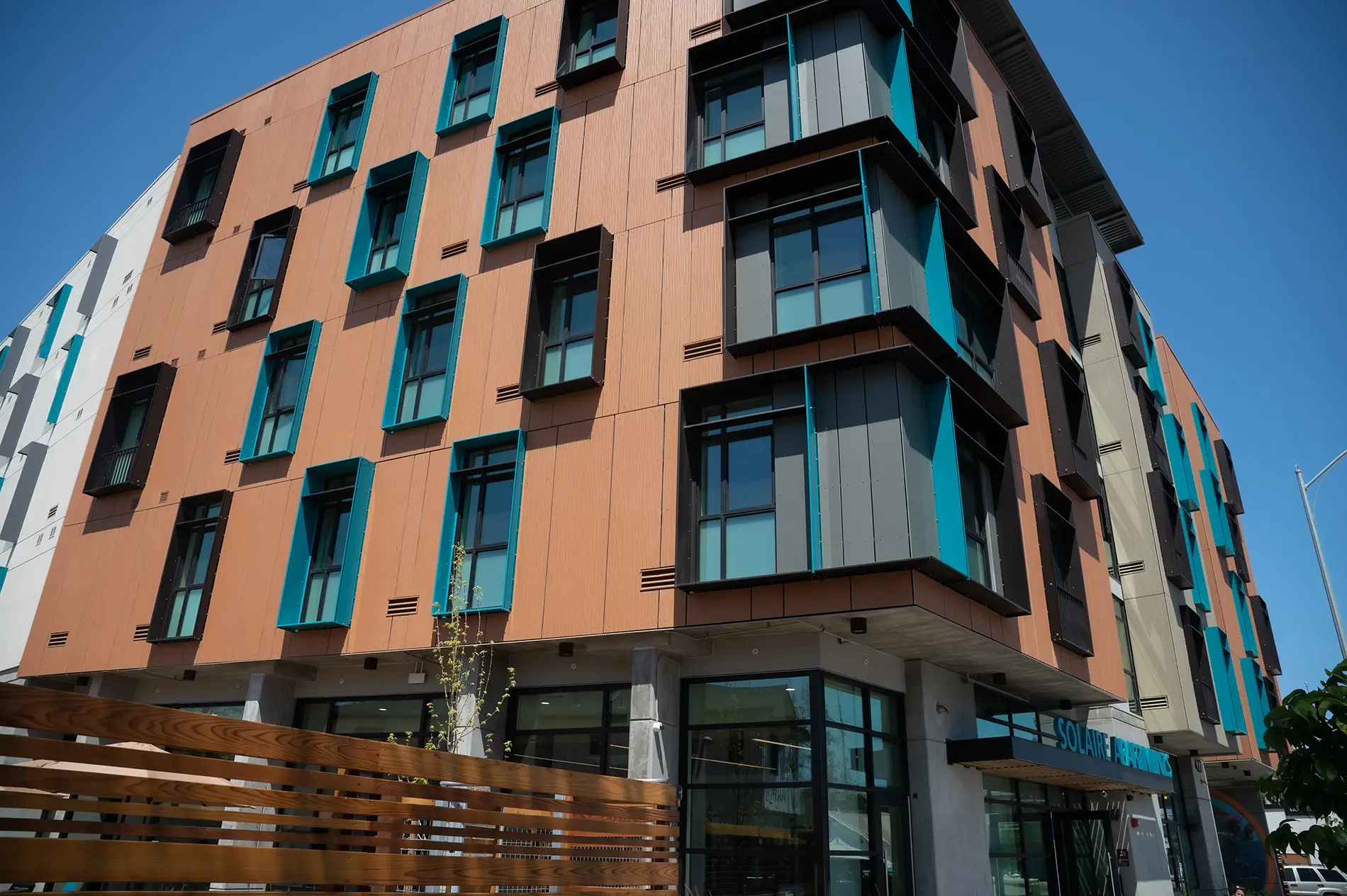
    Solaire has a community room, computer center, fitness studio, and various outdoor amenities including a fitness loop, BBQ patio, community garden, and bicycle storage. Solaire also meets climate-friendly standards with solar panels, all electric utilities, and EV charging stations.

    Solaire Apartments
    Photo credit: Alain McLaughlin Photography Inc.


    Grand opening ceremony for Solaire apartments
    Photo credit: Alain McLaughlin Photography Inc.
  • Affordable Housing
  • Success Stories
  • May 3, 2024
    Off
    Article
    Top