November 2025

Extremely Low-Income Housing Needs

The category “extremely low-income households” is a subset of “very low-income households,” and is defined as 30 percent (or less) of the area median income. The housing element must quantify existing and projected extremely low-income households, analyze their housing needs, and assess the kind of housing available and suitable for extremely low-income households.

Paradise Continues to Mark Progress in Recovery and Rebuilding

Off
Paradise, CA
Eaglepointe apartments

Seven years have passed since the Camp Fire devastated the Town of Paradise in Butte County, destroying the vast majority of buildings and homes, displacing thousands of people, and tragically claiming 85 lives. Today, stories of recovery and rebirth continue to emerge, and HCD is honored to play a small role in supporting the Town’s ongoing journey to rebuilding and resiliency.

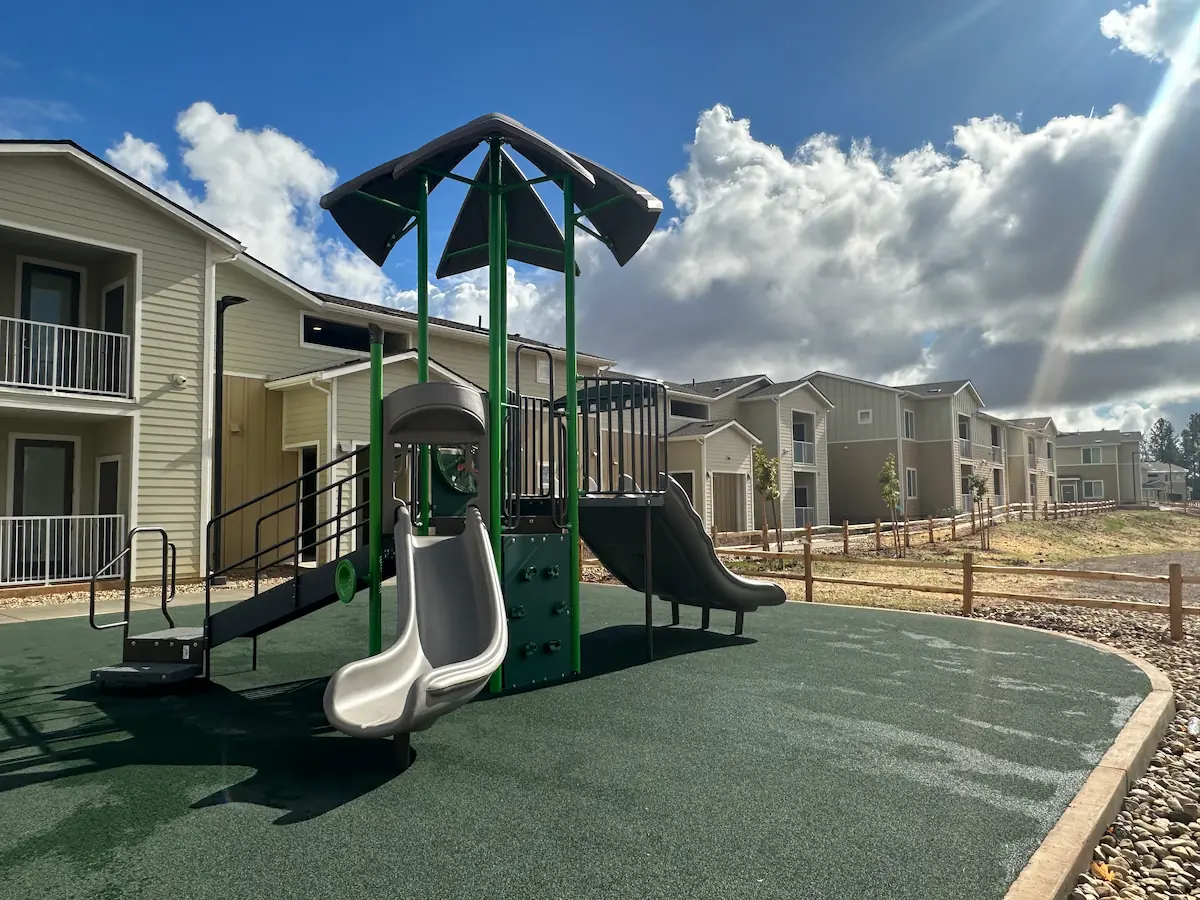
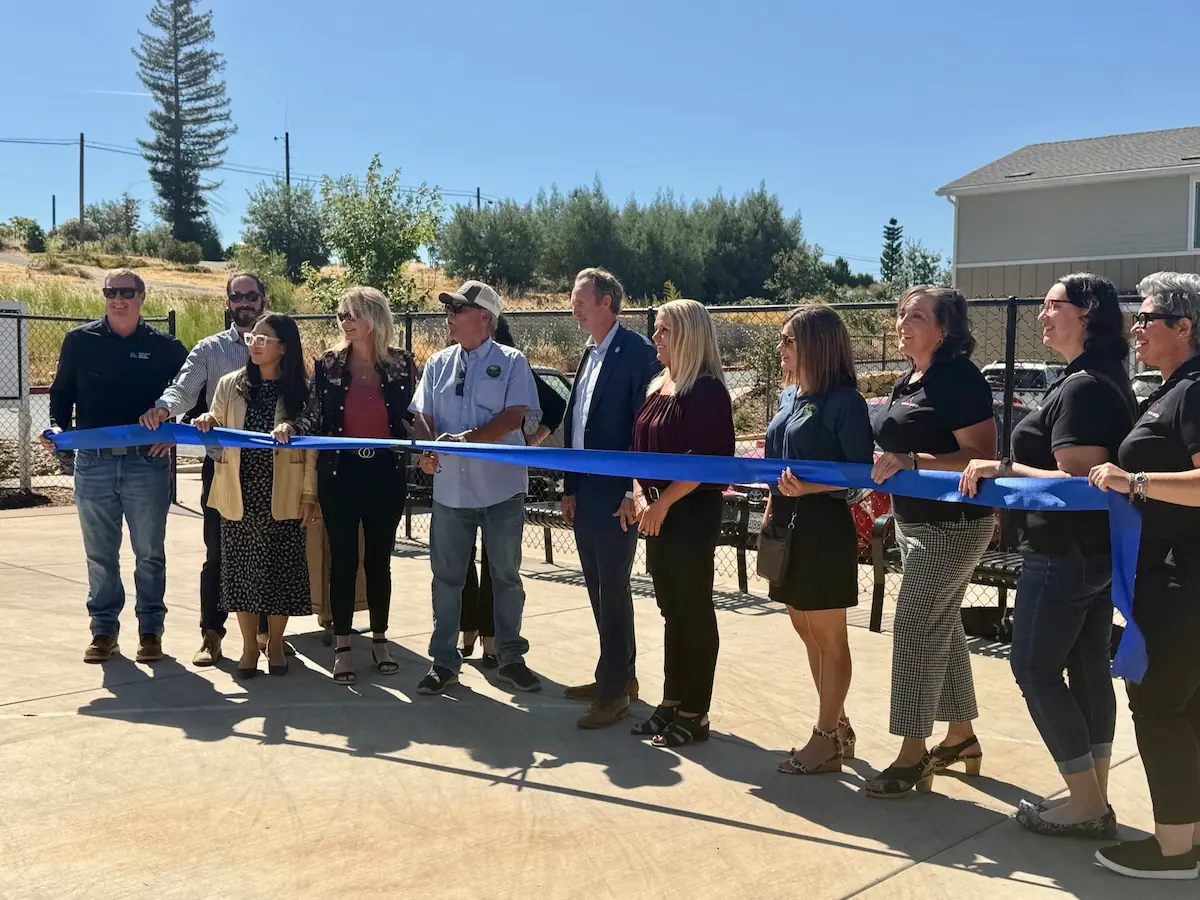
Paradise community leaders recently celebrated the grand opening of two new affordable housing communities for low-income individuals and families. In August, local and state leaders gathered to celebrate the opening of Eaglepointe Apartments, a 42-unit apartment complex for low-income families made possible by $7.3 million in funding from HCD’s federally funded Community Development Block Grant – Disaster Recovery (CDBG-DR) program. The building is five stories tall and includes a community center, open space, and a play area for kids.
eaglepointe ribbon-cutting ceremony

Eaglepointe Apartments Ribbon-Cutting Ceremony

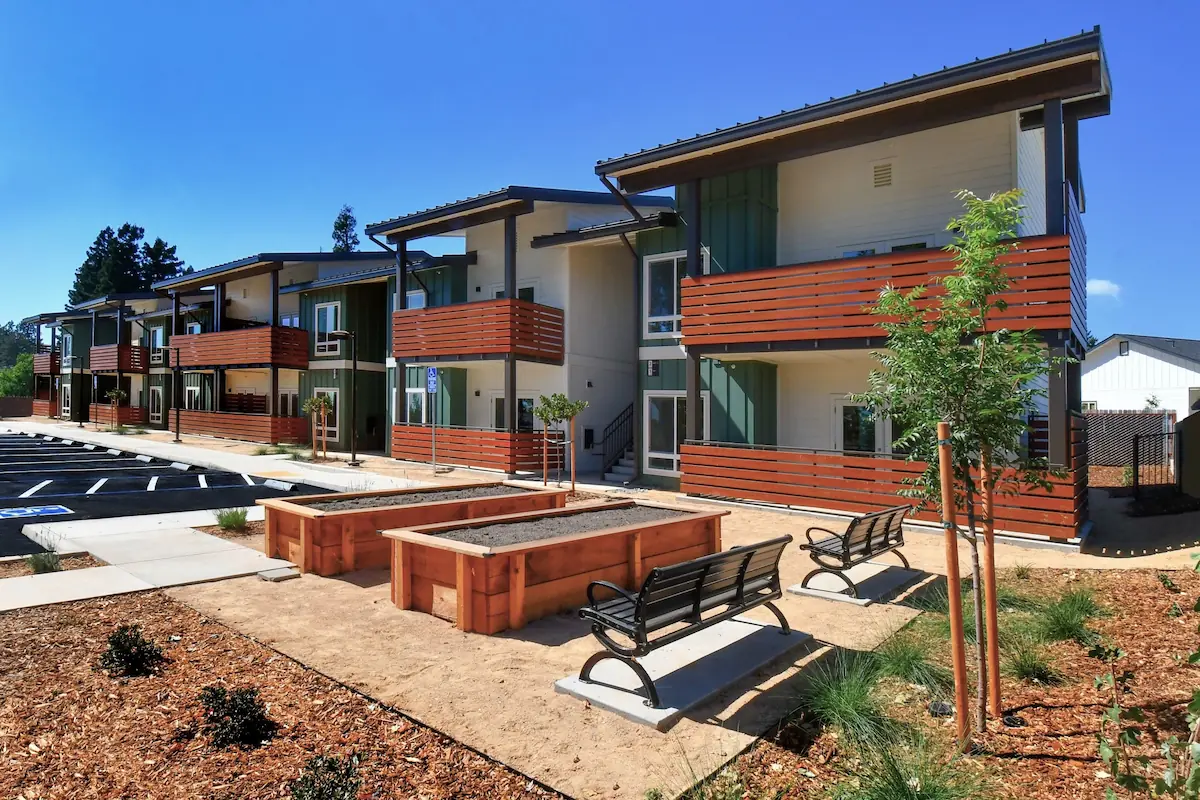
In September, the community celebrated the opening of Mayer Commons, which added another dozen affordable rental homes to an area with ongoing critical need. Mayer Commons was built on the site of the former Kathy Court Apartments and received $7.6 million in CDBG-DR program funds. These homes are reserved for people with very low incomes, including seniors and those at risk of homelessness. Since the 2018 Camp Fire, HCD has made nearly $140 million in state and federal awards to Paradise to support development of 536 affordable rental homes such as these.
mayer commons complex

Mayer Commons Apartment Complex

Another $24.1 million was awarded to 70 Paradise homeowners through the ReCoverCA Owner-Occupied Reconstruction (OOR) Program, which helps finance rebuilding of single-family homes destroyed or damaged by qualifying disasters. The last of these 70 homes is anticipated to be completed by the end of the year.

HCD’s investment extends beyond housing into community, economic, and workforce development. In 2024, HCD made a $17.9 million CDBG-DR Workforce Development (WD) grant to Town of Paradise received a nearly $17.9 million grant to establish the Paradise Resilient Infrastructure and Sustainable Education Center (Paradise RISE) on the Paradise High School campus. CDBG-DR-WD grants aim to support community development and help communities reach complete economic recovery after experiencing a disaster. Awarded programs must provide free job training and supportive services to low- to moderate-income (LMI) individuals in the community, with the goal of improving job placement opportunities for residents.

The Paradise RISE program is intended to train 500 local LMI residents in the construction trades—including specialized fields such as plumbing and electrical—or as certified nursing assistants. The award funds facility improvements, workforce training, and supportive services for participants. Paradise RISE training providers and partners include the Paradise Unified School District, Butte College, Valley Contractor’s Exchange, and the Northern Rural Training and Employment Consortium.

HCD is steadfast in its commitment to responsibly steward state and federal resources to help communities impacted by natural disasters recover and rebuild for a hopeful and resilient future.

  • Disaster Recovery
  • November 17, 2025
    Off
    Article

    People with Disabilities, Including Developmental Disabilities

    Many individuals with a disability live on a small, fixed income, limiting their ability to pay for housing. Individuals with mental, physical, and developmental disabilities need affordable, conveniently located housing that has been (or can be) specially adapted to address accessibility issues and include on- or offsite support services, including inpatient/outpatient day-treatment programs.

    About HCD

    The California Department of Housing and Community Development (HCD) is dedicated to the preservation and expansion of safe, stable and affordable housing so more Californians have a place to call home. HCD works to ensure an adequate supply of housing for Californians and promotes the growth of strong communities through its leadership, policy, and program development.

    Sample Tables

    The following sample tables can help in organizing critical information pertaining to housing-element requirements. The information provided in the tables should be tailored to the jurisdiction and followed by appropriate analysis. (Note: These sample tables are not intended to be a substitute for addressing the analytical requirements described in the statute.)

    Requisite Analysis

    If there are no units at risk of conversion in the locality during the 10-year period, the housing element must include a description of how the locality determined and verified no units are at-risk.

    Inventory of At-Risk Units

    The inventory must list:

    Defining Assisted Housing Developments or At-Risk Units

    For the purpose of housing-element law, assisted housing developments (or at-risk units) are defined as multifamily, rental housing complexes that receive government assistance under any of the federal, state, and/or local programs (listed below) or any combination of rental assistance, mortgage insurance, interest reductions, and/or direct loan programs and are eligible to convert to market-rate units due to termination (opt-out) of a rent subsidy contract, mortgage prepayment, or other expiring use restrictions within 10 years of the beginning of the housing-element planning period.

    Assisted Housing Developments at Risk of Conversion

    The housing element must identify and analyze units that are at risk of converting from affordable to market-rate during the next 10 years. If units are found to be at-risk, the housing element must estimate the total cost of replacing and preserving these units and include a list of entities with the capacity to acquire multifamily developments at-risk. The analysis should guide policies and programs necessary to address the critical activity of preserving at-risk units.

    Review and Revise

    The review and revise” requirement is an important feature of the housing-element update. A thorough review facilitates a comprehensive update and ensures the housing element can be effectively implemented in the next planning period. This Page has been amended to incorporate new requirements pursuant to AB 139 (Statutes of 2019).

    Sample Tables

    The following sample tables can help in organizing critical information pertaining to housing-element requirements. The information provided in the tables should be tailored to the jurisdiction and followed by appropriate analysis. (Note: These sample tables are not intended to be a substitute for addressing the analytical requirements described in the statute.)

    Top