
THGP Events and Webinars
Events:
Check back for updates
Check back for updates
The Tribal Housing Grant Program Trust Fund (THGP) was established to create a dedicated housing program to address the unique housing challenges faced by California’s Federally Recognized Tribes. The THGP Committee is a group of nine (9) Tribal leaders, housing staff, and other professionals who will provide guidance, recommendations, and strategic input ensuring that the THGP effectively serves California Tribal Communities.
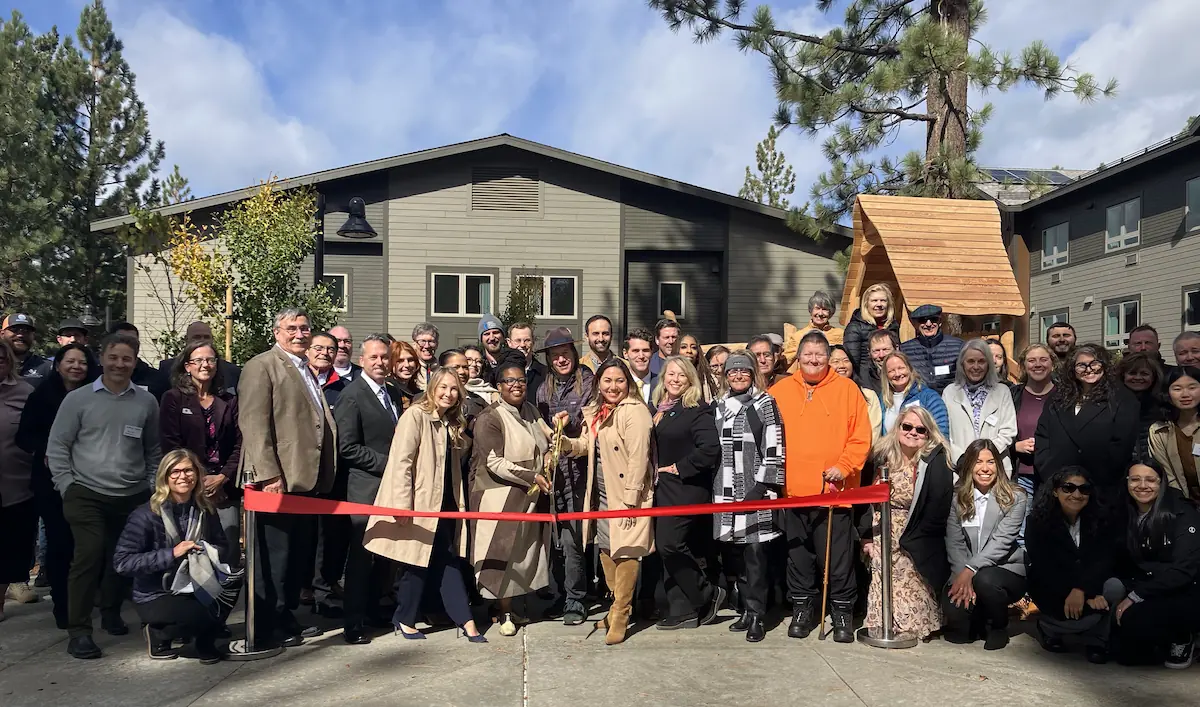
As we approach the New Year, Governor Gavin Newsom and the California Department of Housing and Community Development (HCD) issued a flurry of year-end funding announcements that brought this year’s investment in affordable housing, homelessness services, infrastructure, and community development to nearly $2.8 billion.
“2025 has been a year marked by unforeseen disasters, remarkable collaboration, and unprecedented investment,” said Business, Consumer Services and Housing Agency Secretary Tomiquia Moss. “As promised, the Newsom Administration continues to address challenges head-on—paving the way toward meeting California’s housing goals, strengthening local communities, and ensuring our most vulnerable residents are housed and have access to the support and services they need.”
Today’s awards of $281 million help build 731 new permanent rental homes, fund the repair and construction of accessory-dwelling units, preserve affordable housing, and mitigate disaster risk in local communities.
HCD announced $53.4 million in Local Housing Trust Fund (LHTF) awards for 23 applicants in 18 counties. The LHTF awards will provide matching grants to local and regional housing trust funds established by cities, counties, Native American tribes and nonprofit organizations to support the construction, conversion, reconstruction, rehabilitation, and repair of Accessory Dwelling Units (ADUs) or Junior Accessory Dwelling Units (JADUs). ADUs, commonly known as granny-flats or in-law units, help increase the supply of affordable housing in California, especially in infill areas.
HCD also announced $26.7 million for three projects from the National Housing Trust Fund (NHTF) program. The federally funded NHTF program supports the construction of permanent homes for extremely-low income households. Today’s awards will help fund 214 new affordable rental homes in three counties.
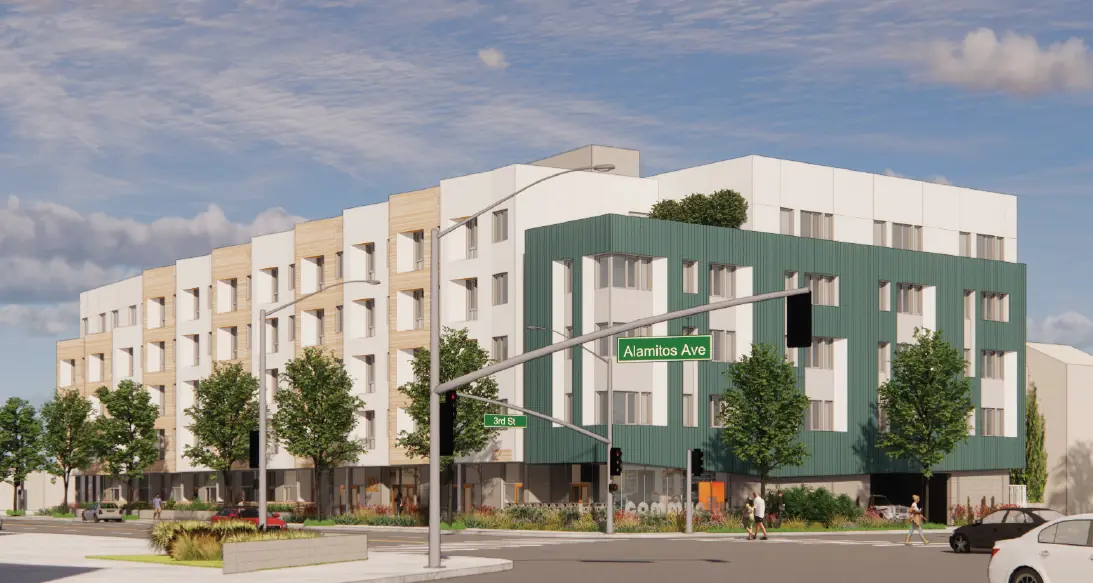
Rendering of 300 Alamitos, a property funded by HCD's National Housing Trust Fund program.
More than $26 million awarded from the Permanent Local Housing Allocation (PLHA) Program to seven local jurisdictions was also announced today. The PLHA Non-Entitlement Local Government Competitive Component awards will help support the development of 477 affordable multi-family rental homes. The PLHA program also provides formula grants to entitlement and non-entitlement jurisdictions based on the formula prescribed under federal law for the Community Development Block Grant. HCD recently awarded nearly $25 million to 36 local governments through the PLHA Formula Allocation.
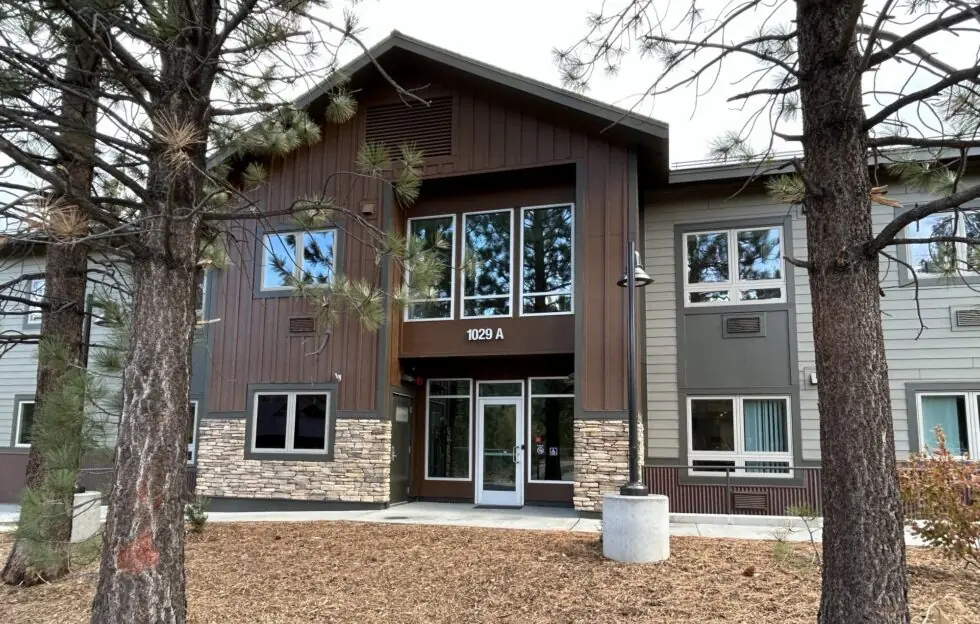
Sugar Pine Village in Lake Tahoe.
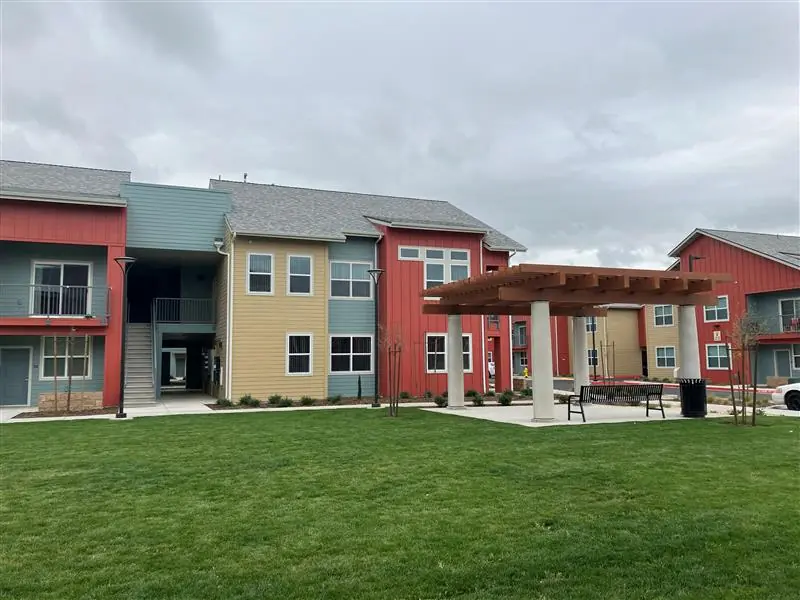
Los Arroyos funded by HCD's Permanent Local Housing Allocation Program
HCD also announced $107.5 million in Portfolio Reinvestment Program (PRP) awards. PRP helps preserve affordable housing in California by investing in properties that need repairs and are at risk of converting to market rate. Today’s awards support 11 housing communities, helping to improve the quality of life for residents and preserve 491 homes for future generations.
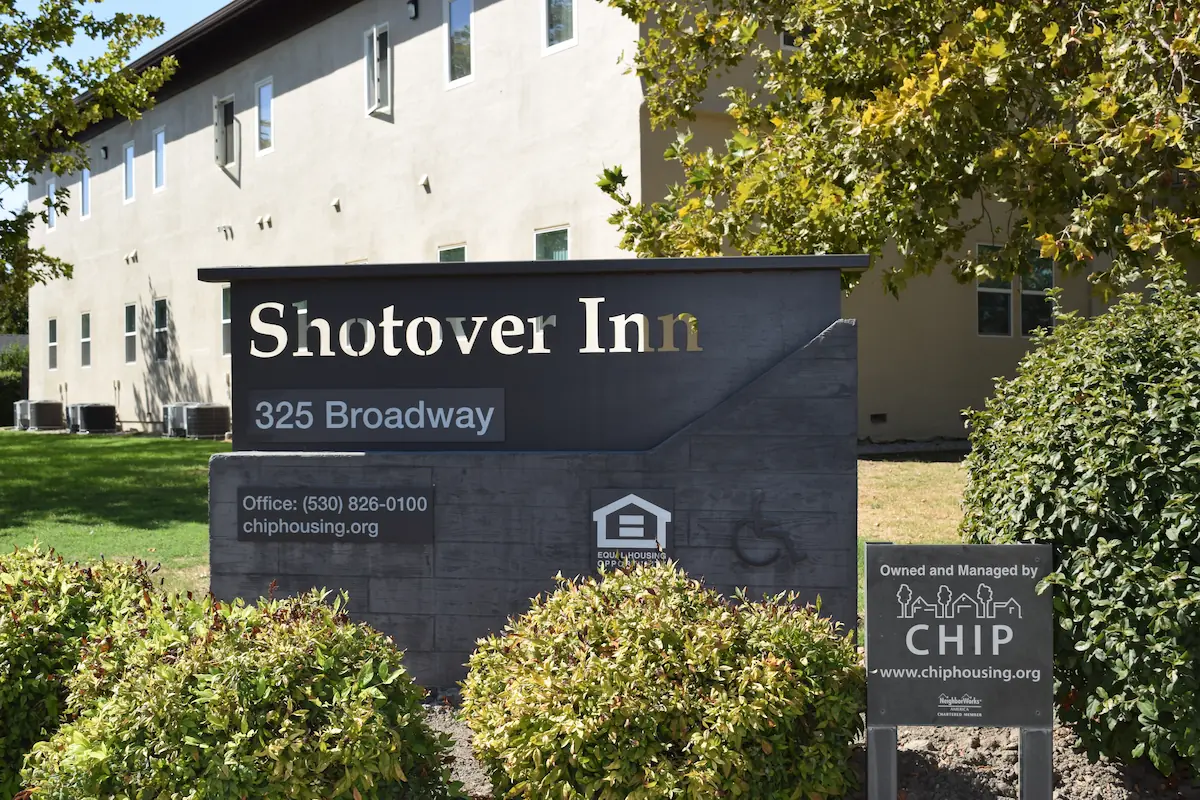
Shotover Inn, a project of HCD's Portfolio Reinvestment Program
In addition, HCD announced a Tribal Homekey award of $10.1 million for the construction of a new 40-unit housing community, with 28 homes reserved for people at-risk of or experiencing homelessness, and $57.7 million to support 27 projects of the Community Development Block Grant Disaster Recovery Resilient Infrastructure Program that assists local jurisdictions with mitigation-related infrastructure needs to support risk reduction from wildfire, flooding, and earthquake hazards.
Just last week, HCD announced another five awards through Proposition 1-funded Homekey+ to create permanent supportive housing for veterans and other Californians with behavioral health challenges. So far in 2025, Homekey+ has awarded $636.1 million to create 37 affordable housing communities with wrap-around services. These communities will add 1,817 new homes, with 454 reserved for veterans.
“From funding the creation of ADUs and permanent supportive housing to preserving affordable homes for future generations, today’s awards highlight the Newsom Administration’s innovative approach to addressing homelessness and tackling California’s affordable housing crisis,” said HCD Director Gustavo Velasquez. “As we approach the New Year, we reaffirm our commitment to working with our partners to support our communities and build more housing for all.”
Earlier this year, Governor Newsom announced multiple awards to support communities, address homelessness and provide much-needed housing:
In September, Governor Newsom announced $414 million in awards from the Multifamily Finance Super NOFA (MFSN) program to help create 2,099 new homes, with 2,068 reserved for low to extremely low-income Californians. HCD also announced a special MFSN NOFA (MFSN-LA Disaster) to provide an additional $101 million to support recovery and rebuilding efforts from 2025 wildfires within Los Angeles County. Those awards will be announced in early January 2026.
From the very first moments of the Newsom administration, the national crisis of housing and homelessness – which were decades in the making – has been addressed with ingenuity, seriousness, and expertise. No other state has devoted as much time and attention to these twin problems – and California is a leader in producing positive results. Governor Newsom is creating a structural and foundational model for America:
✅ Addressing mental health and its impact on homelessness — Ending a long-standing 7,000 behavioral health bed shortfall in California by rapidly expanding community treatment centers and permanent supportive housing units. In 2024, voters approved Governor Newsom’s Proposition 1 which is transforming California’s mental health systems with a $6.4 billion Behavioral Health Bond for treatment settings and housing with services for veterans and people experiencing homelessness, and reforming the Behavioral Health Services Act to focus on people with the most serious illnesses, provide care to people with substance disorders, and support their housing needs.
✅ Creating new pathways for those who need the most help — Updating conservatorship laws for the first time in 50 years to include people who are unable to provide for their personal safety or necessary medical care, in addition to food, clothing, or shelter, due to either severe substance use disorder or serious mental health illness. Creating a new CARE court system that creates court-ordered plans for up to 24 months for people struggling with untreated mental illness, and often substance use challenges.
✅ Streamlining and prioritizing building of new housing — Governor Newsom made creating more housing a top state priority for the first time in history. He has signed into law groundbreaking reforms to break down systemic barriers that have stood in the way of building the housing Californians need, including broad CEQA reforms.
✅ Creating shelter and support — Providing funding and programs for local governments, coupled with strong accountability measures to ensure that each local government is doing its share to build housing, and create shelter and support, so that people rescued from encampments have a safe place to go.
✅ Removing dangerous encampments — Governor Newsom has set a strong expectation for all local governments to address encampments in their communities and help connect people with support. In 2024, Governor Newsom filed an amicus brief with the Supreme Court defending communities' authority to clear encampments. After the Supreme Court affirmed local authority, Governor Newsom issued an executive order directing state entities and urging local governments to clear encampments and connect people with support, using a state-tested model to address encampments humanely and provide people with adequate notice and support.
The Newsom administration is making significant progress in reversing decades of inaction on homelessness. Between 2014 and 2019—before Governor Newsom took office—unsheltered homelessness in California rose by approximately 37,000 people. Since then, under this Administration, California has significantly slowed that growth, even as many other states have seen worsening trends.
In 2024, while homelessness increased nationally by over 18%, California limited its overall increase to just 3% — a lower rate than in 40 other states. The state also held the growth of unsheltered homelessness to just 0.45%, compared to a national increase of nearly 7%. States like Florida, Texas, New York, and Illinois saw larger increases both in percentage and absolute numbers. California also achieved the nation’s largest reduction in veteran homelessness and made meaningful progress in reducing youth homelessness.
What you need to know: To wrap up a year of record investment, Governor Newsom announces a series of awards totaling $281 million to help build 731 new permanent rental homes, fund the repair and construction of accessory-dwelling units, preserve affordable housing, and mitigate disaster risk in local communities.
Land determined to be "exempt surplus land" by a local agency should be verified by HCD to ensure certain requirements are met. The SLA includes several exemptions, generally fitting into the following four categories:
Prior to taking any action to dispose of surplus land, a local agency must declare the land "surplus" unless qualified as "exempt surplus." Once the land is declared surplus land, the local agency then issues a Notice of Availability (NOA) to the required entities and follows the standard disposition process.
HCD created a Standard Surplus Land Disposition Checklist (PDF) to assist local agencies when disposing of surplus land.
For updated data on SLA outcomes since the implementation of AB 1486, please refer to the SLA Dashboard linked below.
HCD makes technical assistance and enforcement letters available to the public. A report of all letters issued is organized by jurisdiction, date, and letter type.

Briana spent hours each day driving to work and her children’s school because affordable housing in the Bay Area was out of reach. She feared she would face homelessness forever. Today, Briana lives at HCD-funded Crescent Grove Apartments in Castro Valley, where she feels safe in a community of residents who help and support each other. Crescent Grove was funded by HCD’s National Housing Trust Fund and No Place Like Home programs.
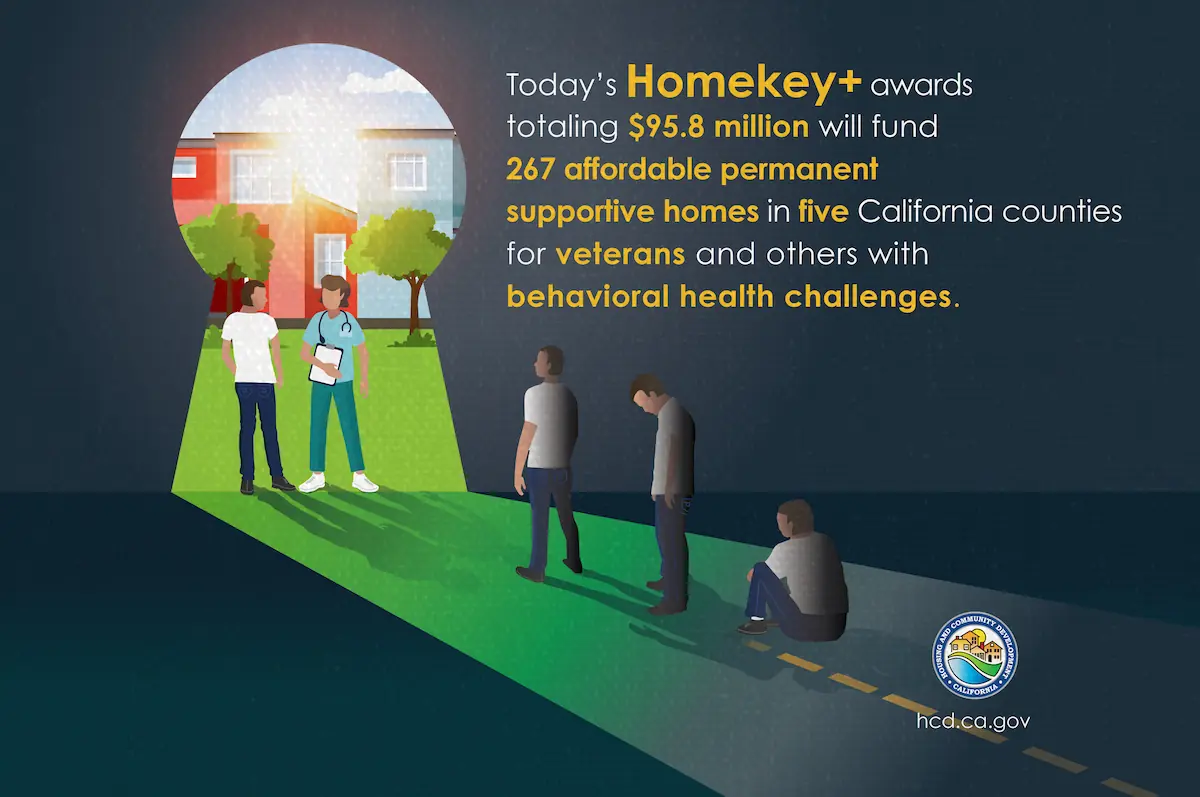
Governor Gavin Newsom’s ongoing strategy to reverse the mental health and homelessness crisis continues to yield strong results. Today, the Governor is announcing five new housing communities to create 267 affordable permanent supportive housing units as part of the state’s Homekey+ program. The program is funded by the Governor’s Proposition 1, which was approved by voters in 2024 — and is a key tool in getting communities and people the help and support they need.
“As we celebrate the holiday season, I want to recognize the gift voters gave our most vulnerable communities through Proposition 1 and programs like Homekey+. This funding strengthens California’s ability to address homelessness by expanding treatment, housing, and accountability for those struggling with mental health challenges and addiction. Working together, we’re rebuilding a system of support—and we’re already seeing real results,” said Governor Gavin Newsom.
With today’s awards, Homekey+ has so far allocated $636.1 million to support 37 housing projects that will create 1,817 affordable homes throughout California for those most in need. Of these homes, 454 are reserved for veterans experiencing or at risk of homelessness with behavioral health challenges. This adds to the tens of thousands of other affordable housing units created through this administration.
In 2019, during his first State of the State, Governor Newsom announced the state would begin focusing on the homelessness crisis — becoming the first Governor in history to make this issue a statewide priority. Through new programs and funding, California is outperforming the nation in turning around the decades-in-the-making homelessness crisis.
Governor Newsom’s structural and foundational model will have positive impacts for generations to come by:
Governor Newsom has set a strong expectation for all local governments to address encampments in their communities and help connect people with support.
More than 1.2 million adults in California live with a serious mental illness, and 1 in 10 residents meet the criteria for a substance use disorder. Additionally, shortages of behavioral health treatment sites contribute to rising rates of homelessness and incarceration among people with mental health disorders.
Prop 1 is transforming California’s mental health systems with a $6.4 billion Behavioral Health Bond for housing, services, and treatment for veterans and people experiencing homelessness. When fully awarded, funding from Proposition 1 bonds is estimated to create 6,800 residential treatment beds and 26,700 outpatient treatment slots for behavioral health. This includes projects through Homekey+.
Approximately $1.033 billion in Proposition 1 bond funds are currently available through Homekey+ to cities, counties, housing authorities, and tribal entities for projects serving veterans. Another $1.11 billion is available for projects serving all target populations, through a combination of Proposition 1 bond funds and Homeless Housing, Assistance, and Prevention (HHAP) program funds.
“California’s Homekey+ program is investing in people and neighborhoods across the state, providing affordable housing and supportive services for Californians, including veterans, who are experiencing homelessness and living with behavioral health challenges,” said Business, Consumer Services and Housing Agency Secretary Tomiquia Moss. “The supportive housing projects being awarded today are a testament to the Governor’s ongoing partnership with local jurisdictions and unwavering commitment to create housing for all Californians, including our Veterans and our most vulnerable.”
"Homekey+ once again delivers great housing news for California veterans and their families," said CalVet Secretary Lindsey Sin. "We salute the California Department of Housing and Community Development and their partners across the state for their leadership in finding innovative ways to help meet our veterans' housing needs.”
“Pairing permanently affordable housing with health services is critical for building a platform for recovery and stability,” said HCD Director Gustavo Velazquez. “Homekey+ continues to be a model for implementing clinically informed solutions to homelessness that save lives and stabilize communities.”
Modeled after Governor Newsom’s highly successful Homekey program, Homekey+ was created with funding from voter-approved Proposition 1, which also provides funding to build residential care settings and expand access to behavioral health treatment. Across three rounds of the original Homekey program, HCD awarded more than $3.6 billion to fund 261 projects with 15,962 homes expected to house more than 175,000 Californians over the projects’ lifetimes.
Continuing this work, the Homekey+ awards announced today total $95.8 million to create 267 permanent supportive homes, with 59 units for veterans, in addition to six manager units:
The Homekey+ NOFA allocates funding by region based on a proportionate share of veterans and others experiencing homelessness, and by share of extremely low-income households whose rent is more than half of their income. There are also allocations for rural projects and for projects serving youth experiencing or at risk of homelessness. Homekey+ applications will continue to be reviewed and approved on a rolling basis.
From the very first moments of the Newsom administration, the national crisis of housing and homelessness – which were decades in the making – has been addressed with ingenuity, seriousness, and expertise. No other state has devoted as much time and attention to these twin problems – and California is a leader in producing positive results. Governor Newsom is creating a structural and foundational model for America:
✅ Addressing mental health and its impact on homelessness — Ending a long-standing 7,000 behavioral health bed shortfall in California by rapidly expanding community treatment centers and permanent supportive housing units. In 2024, voters approved Governor Newsom’s Proposition 1 which is transforming California’s mental health systems with a $6.4 billion Behavioral Health Bond for treatment settings and housing with services for veterans and people experiencing homelessness, and reforming the Behavioral Health Services Act to focus on people with the most serious illnesses, provide care to people with substance disorders, and support their housing needs.
✅ Creating new pathways for those who need the most help — Updating conservatorship laws for the first time in 50 years to include people who are unable to provide for their personal safety or necessary medical care, in addition to food, clothing, or shelter, due to either severe substance use disorder or serious mental health illness. Creating a new CARE court system that creates court-ordered plans for up to 24 months for people struggling with untreated mental illness, and often substance use challenges.
✅ Streamlining and prioritizing building of new housing — Governor Newsom made creating more housing a top state priority for the first time in history. He has signed into law groundbreaking reforms to break down systemic barriers that have stood in the way of building the housing Californians need, including broad CEQA reforms.
✅ Creating shelter and support — Providing funding and programs for local governments, coupled with strong accountability measures to ensure that each local government is doing its share to build housing, and create shelter and support, so that people rescued from encampments have a safe place to go.
✅ Removing dangerous encampments — Governor Newsom has set a strong expectation for all local governments to address encampments in their communities and help connect people with support. In 2024, Governor Newsom filed an amicus brief with the Supreme Court defending communities' authority to clear encampments. After the Supreme Court affirmed local authority, Governor Newsom issued an executive order directing state entities and urging local governments to clear encampments and connect people with support, using a state-tested model to address encampments humanely and provide people with adequate notice and support.
The Newsom administration is making significant progress in reversing decades of inaction on homelessness. Between 2014 and 2019—before Governor Newsom took office—unsheltered homelessness in California rose by approximately 37,000 people. Since then, under this Administration, California has significantly slowed that growth, even as many other states have seen worsening trends.
In 2024, while homelessness increased nationally by over 18%, California limited its overall increase to just 3% — a lower rate than in 40 other states. The state also held the growth of unsheltered homelessness to just 0.45%, compared to a national increase of nearly 7%. States like Florida, Texas, New York, and Illinois saw larger increases both in percentage and absolute numbers. California also achieved the nation’s largest reduction in veteran homelessness and made meaningful progress in reducing youth homelessness.
What you need to know: Through Governor Newsom’s voter-approved Proposition 1, California is announcing five new projects that will create hundreds of new supportive homes up and down the state, including Los Angeles County.