Mutual Housing on the Boulevard Grand Opening
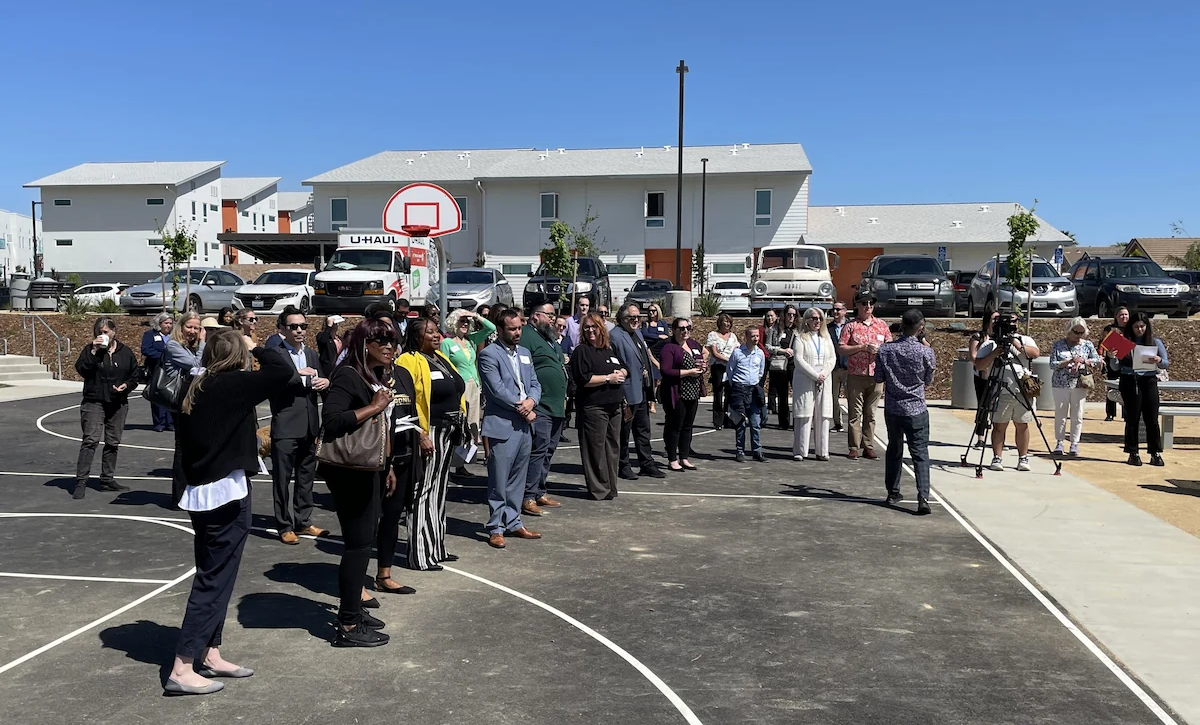
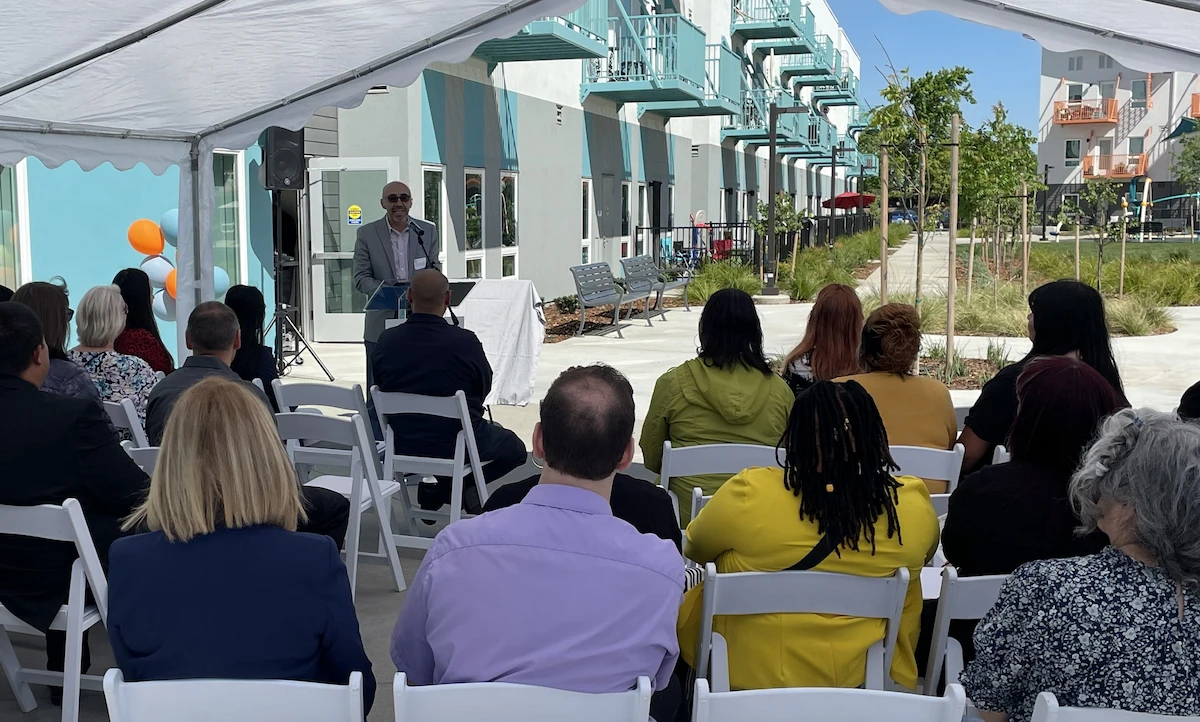
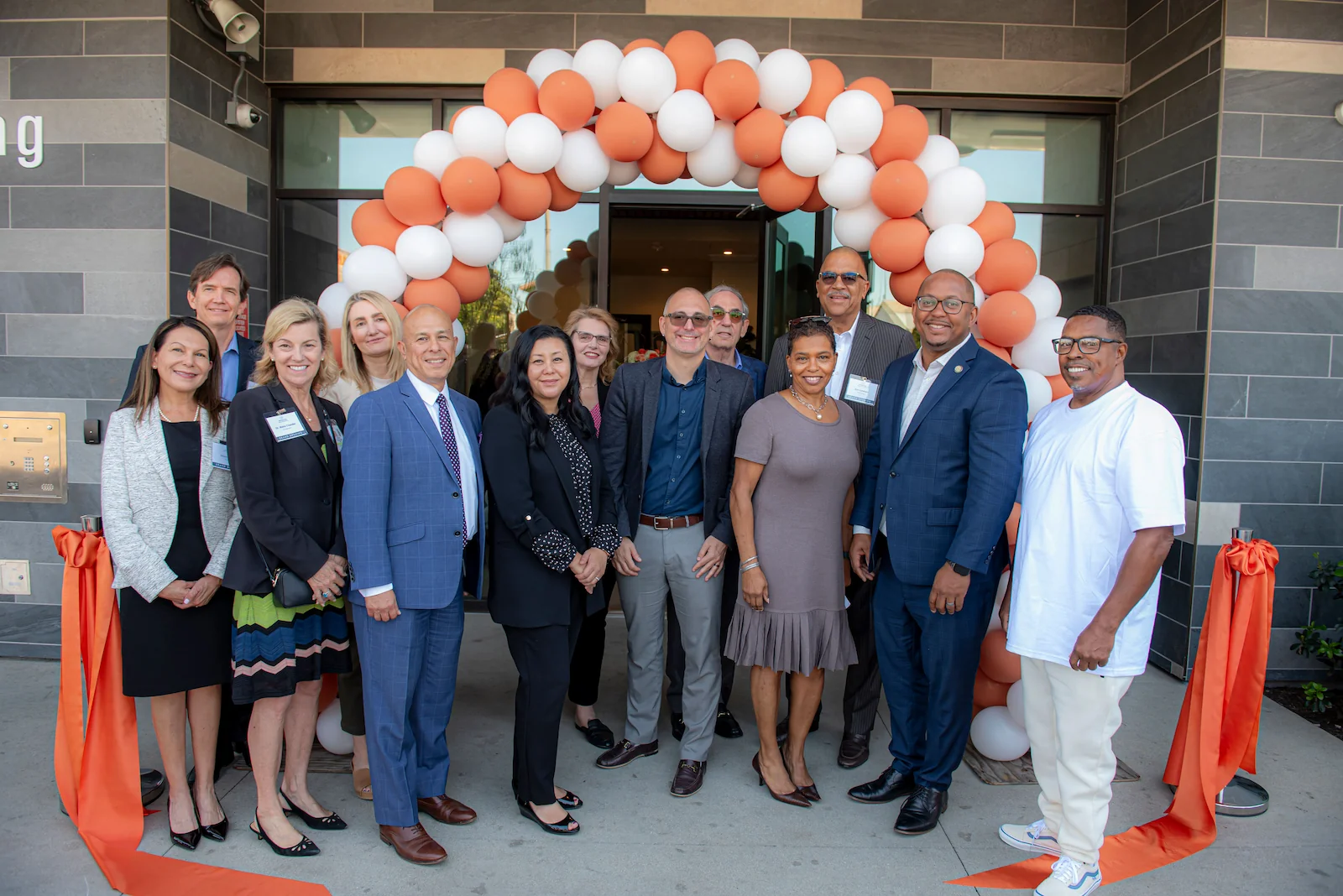
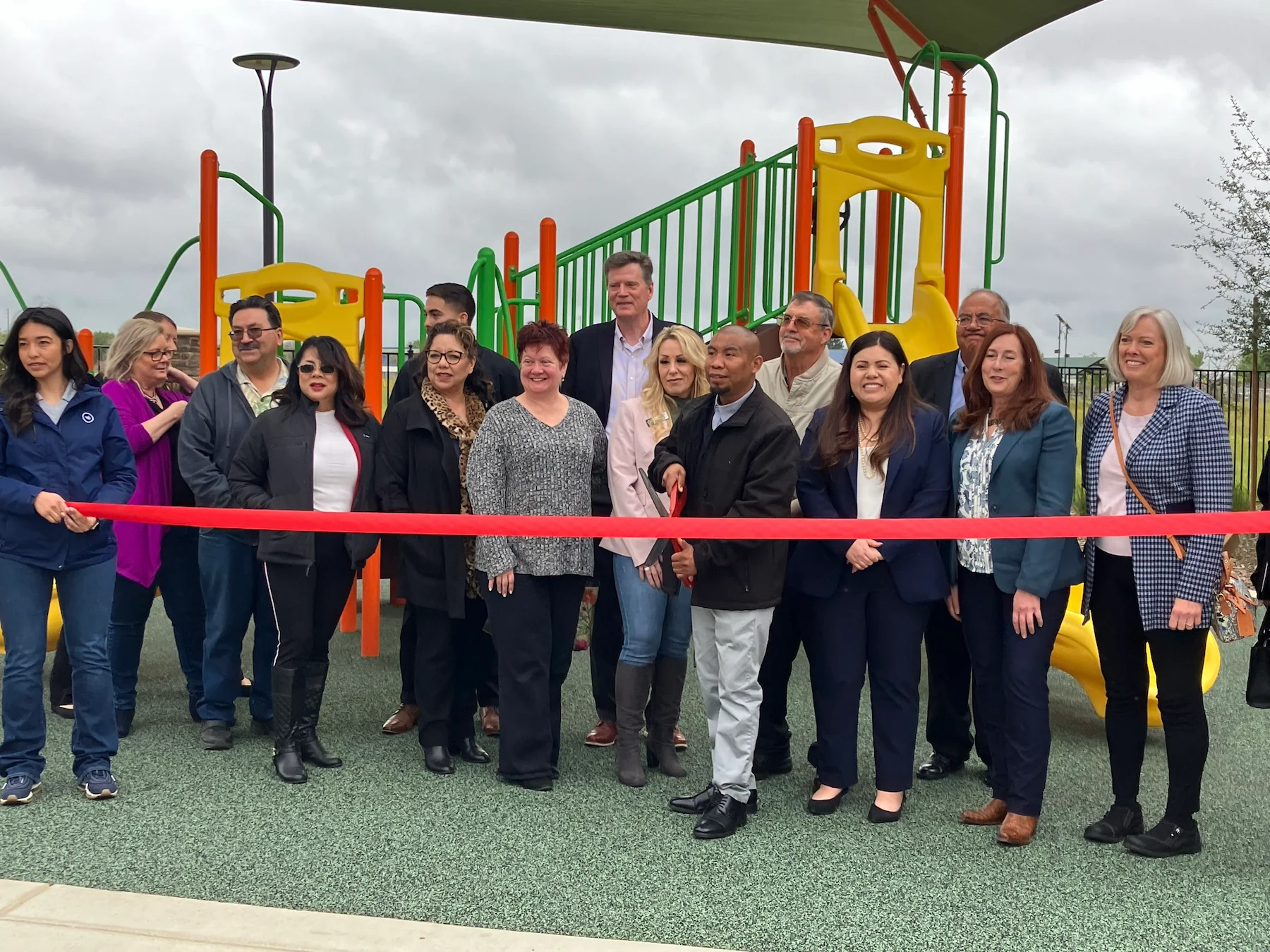
Residents and community leaders share the importance of permanent affordable housing at the grand opening celebration of Mutual Housing on the Boulevard.
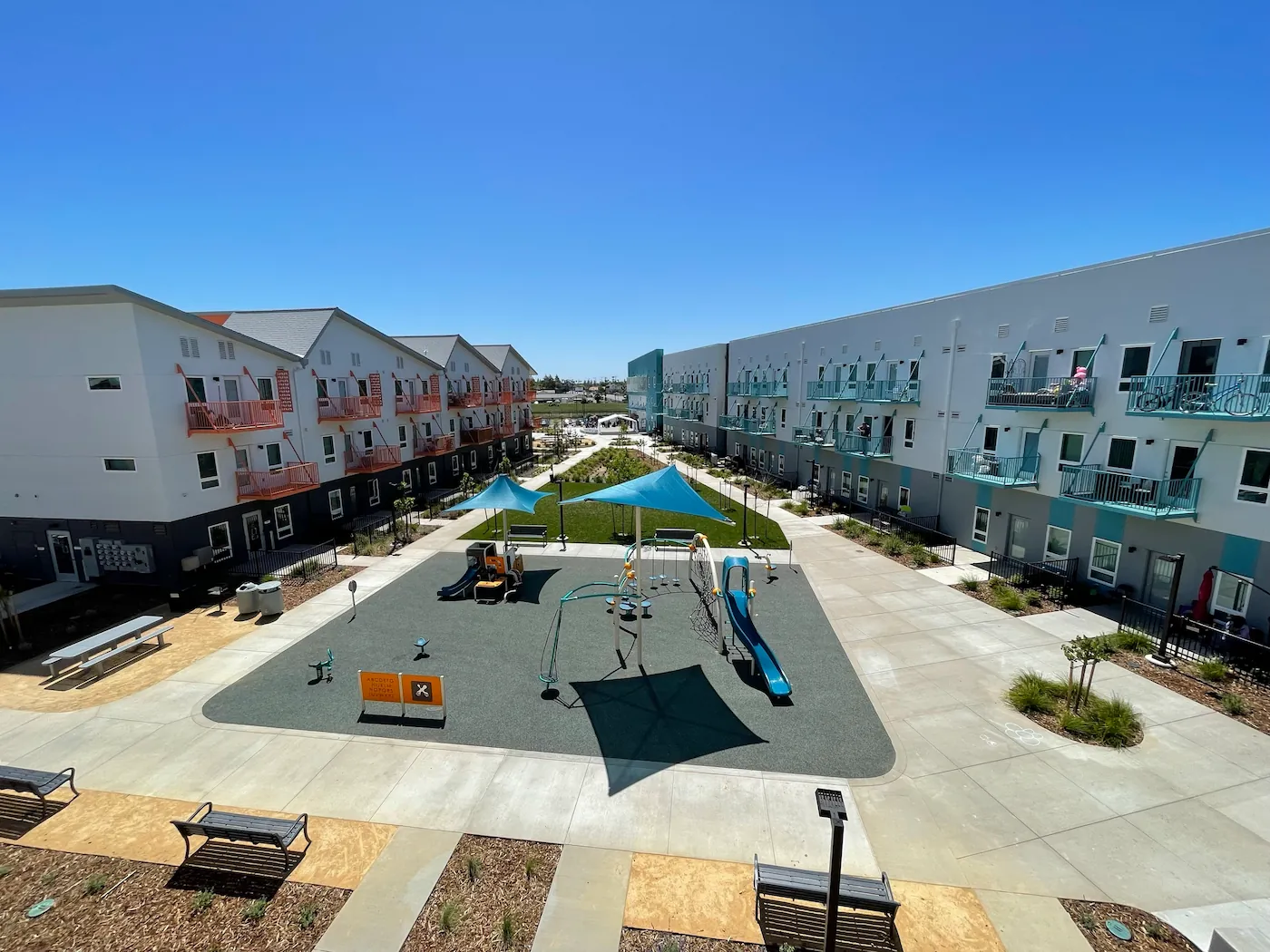
HCD Director Gustavo Velasquez joined community leaders and residents in celebrating the grand opening of Mutual Housing on the Boulevard, a new affordable housing development in Sacramento. A project of Mutual Housing, this development provides 127 affordable homes, 50 which are set aside for residents with an income at or less than 30% Area Median Income.
This project was supported by HCD’s No Place Like Home (NPLH) program. NPLH supports the creation of new permanent supportive housing providing very low-income residents at risk of homelessness with case management and access to mental health and substance abuse counseling. With the recent passage of Proposition 1, more permanent supportive housing can be expected to help California’s most vulnerable citizens.
Mutual Housing on the Boulevard has various on-site amenities for residents including a community room, computer lending library, media room and outdoor facilities such as community garden, playground, picnic areas, and courtyards. The property is 100% electric and is near public transit, schools, jobs, and vital services.


View the video below to hear from residents and community leaders about the importance of permanent supportive housing.
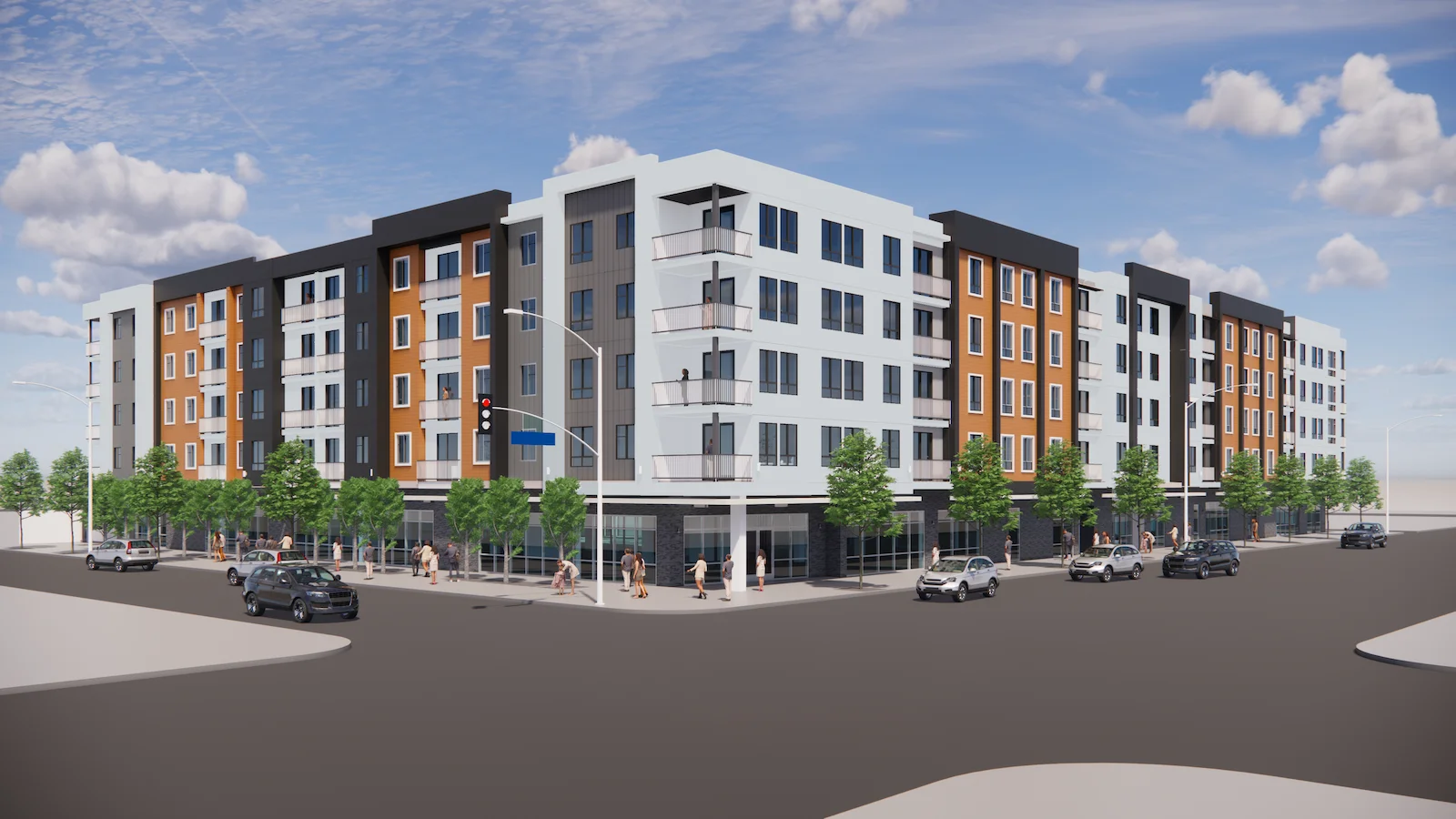
The community of Long Beach, California, recently celebrated the grand opening of Wellspring, a new 88-unit affordable housing development with a community health and wellness center. The development was supported by $20 million in funding from the California Department of Housing and Community Development’s (HCD) Multifamily Housing Program, which offers low-interest, long-term, deferred-payment loans to build, rehabilitate or preserve permanent or transitional rental housing for lower-income Californians.
A project of Bridge Housing, Wellspring combines affordable housing with permanent supportive housing, both of which are proven to decrease homelessness and improve the lives of California’s most vulnerable residents. Wellspring offers 67 affordable homes for households earning 20-60 percent of Area Median Income. The development includes an additional 20 units of permanent supportive housing for those with disabilities or other special needs who are homeless or at risk of homelessness; this includes access to full-time, intensive case management services.
Wellspring residents also have access to a community room, communal outdoor space, and laundry facilities. The property offers easy access to public transportation, parks, a library, and schools. Combined with the on-site health and wellness center operated by TCC Family Health, Wellspring helps provide the foundation residents need to thrive. With an ambitious but necessary state goal of planning for more than 2.5 million homes over the next six years, approximately one million of which meet the needs of lower-income households, Wellspring is a tangible example of how HCD works with California developers to create long-term solutions to the housing crisis.

Rendering of Wellspring Building
California Governor Gavin Newsom, California Attorney General Rob Bonta, and the California Department of Housing and Community Development (HCD) today announced a settlement with the city of Malibu that will enable the city to reach compliance with the state’s Housing Element Law. With dedicated technical support from the state, the city will adopt a housing plan by September 23, 2024, to allow for the development of 79 housing units, 47 of which must be affordable to low- and very low-income households. The agreement, which is in the form of a proposed stipulated judgment and must be approved by the court, is related to California’s sixth “housing element update cycle” for the 2021-2029 time period.
Under the state’s Housing Element Law, every city and county in California must periodically update its housing plan to meet its Regional Housing Needs Allocation (RHNA), or share of the regional and statewide housing needs. Located in Los Angeles County, Malibu was required to update its housing plan by October 15, 2021, to accommodate its 79-unit RHNA target. The city submitted a Housing Element Update in 2022, but it was not found to substantially comply. After receiving a notice of violation from the state, the city and state conferred in good faith to chart a course for the city to attain compliance.
“To communities large and small, affluent, or otherwise – everyone must build their fair share of housing," said Governor Gavin Newsom. "Rather than further delay action through litigation, Malibu has decided to work with the state to plan for the development of more housing.”
“Malibu is a community that holds both tremendous need for affordable housing, and tremendous opportunity. This agreement provides an enforceable contract to ensure those housing needs are met,” said HCD Director Gustavo Velasquez. “We are very appreciative to the City of Malibu for working with us to create this path to compliance with state housing law, and my team will provide every resource to help them be successful in that effort.”
“Our housing laws are not optional; they apply to all cities and counties in California. Today’s settlement with the City of Malibu underscores that basic principle,” said Attorney General Rob Bonta. “We are facing a housing crisis of epic proportions. When local jurisdictions like Malibu do their part and allow more homes to be constructed, all Californians benefit. My office will continue working closely with HCD to make sure that every single city and county comes into compliance and plans for the future."
“We understand the importance of adhering to the state’s housing element law and are dedicated to fulfilling our obligations,” said Steve Uhring, mayor of Malibu. “Despite the challenges we’ve encountered, such as the devastation of the Woolsey Fire and the issues caused by the COVID-19 pandemic and staff turnover, our partnership with HCD has been pivotal in guiding us toward a resolution. This settlement reflects the shared goal of the City and State of California to address housing needs effectively in our community.”
Among other things, a compliant housing element must include an assessment of housing needs, an inventory of resources and constraints relevant to meeting those needs, and a program to implement the policies, goals, and objectives of the housing element. Once the housing element is adopted, it is implemented through zoning ordinances and other actions that put its objectives into effect and facilitate the construction of new homes for Californians at all income levels.
The housing element is a crucial tool for building housing for moderate-, low-, and very low-income Californians and redressing historical redlining and disinvestment. State income limits for what constitutes moderate-, low-, and very low-income Californians vary by county. In Los Angeles County, the median income for a one-person household is $68,750. A one-person household that earns less than $70,650 is defined as low-income, and a one-person household that earns less than $44,150 is defined as very-low income.
Under the settlement:
Follow these links to find a copy of the petition and proposed judgment, which details the settlement terms and remains subject to court approval.
Governor Gavin Newsom today announced that the cities of Berkeley, Brea, Crescent City, Fairfield, Pinole, Rancho Cucamonga, Richmond, South Lake Tahoe, and West Hollywood and the County of Los Angeles have earned the coveted Prohousing Designation for their efforts to encourage development of housing at all income levels. This designation comes with funding incentives and additional resources to help speed housing production. Today’s announcement brings to 47 the total number of California communities designated as Prohousing.
Why it matters: To meet the housing needs of all Californians, the state needs to plan for 2.5 million new homes over the next eight years, with at least one million serving the needs of lower-income residents. That critical goal can only be reached if local governments actively work to implement state housing laws and follow best practices that go above and beyond those minimum requirements. The Prohousing Designation rewards communities that are willing to cut through red tape, reduce construction and development costs, and create housing policies with a growth mindset by providing them with funding incentives and additional resources that help scale up those innovative efforts.
What Governor Newsom said: “At nearly fifty prohousing communities, California is making progress – but we can do better. At a time when the state is facing a housing crisis, every local jurisdiction should be stepping up to earn this distinction.”
The Prohousing Designation Program is part of a package of supports, incentives, and accountability measures established by the 2019-20 Budget Act. By earning the Prohousing Designation, communities receive exclusive access to Prohousing grants and additional points in the scoring of competitive housing, community development, and infrastructure funding programs administered by the Department of Housing and Community Development (HCD).
This includes the Prohousing Incentive Program (PIP), a grant program designed to accelerate affordable housing production and support preservation efforts. The 47 communities now designated as Prohousing were eligible to apply for a share of $9.5 million available in PIP Round 2, to be awarded this summer.
“Too often, we are forced to play the role of enforcer when bad actors try to stand in the way of needed housing,” said Business, Consumer Services and Housing Agency Secretary Tomiquia Moss. “It is so refreshing when we have opportunities like this to recognize our housing partners, who are working to strengthen communities and improve quality of life for all.”
“Earning the Prohousing Designation requires a strong, demonstrated commitment to tearing down barriers and working to create more housing faster,” said HCD Director Gustavo Velasquez. “I am grateful and hopeful when I see so many communities working with my team to learn what they can do to be great partners in the effort to ensure housing stability for all Californians.”
California offers incentives and supports to encourage communities to find creative solutions that break down barriers to much-needed housing production, such as accelerated production, equitable zoning, sustainable land use, reduced development costs, or financial subsidies. The 47 Prohousing communities have demonstrated they are actively working to help California meet its goal of permitting 2.5 million new homes by 2030. They have shown a commitment to working proactively to minimize obstacles, accelerate housing, increase availability of affordable housing, and combat homelessness – bettering the quality of life for all Californians.
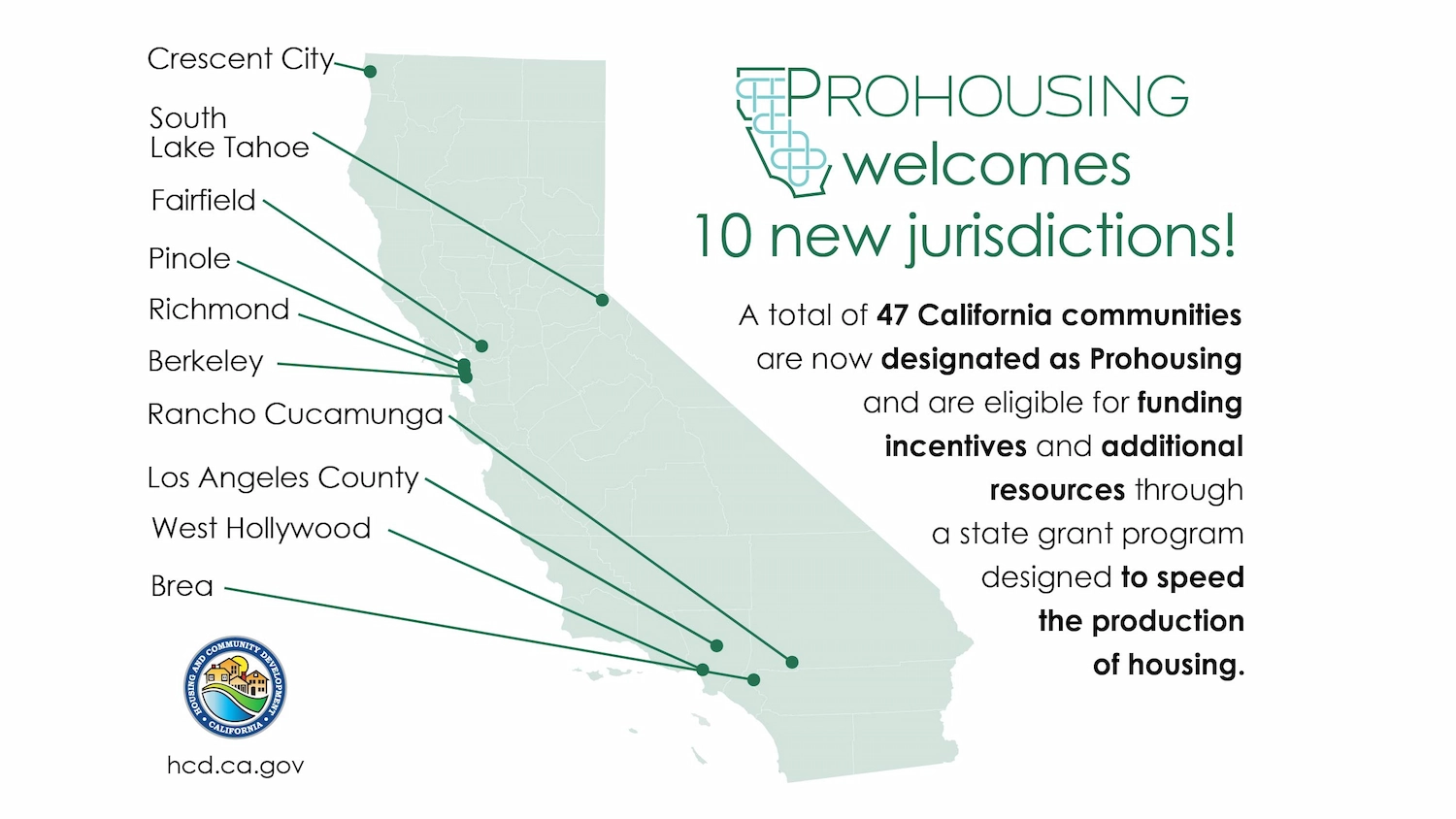
City of Berkeley
The City of Berkeley offers incentives to produce housing, and its Prohousing application displays a strong commitment to improving housing access. In early 2021, the city removed the minimum parking requirement for single- and multi-family developments. Additionally, the city facilitates Accessory Dwelling Unit (ADU) production by prioritizing ADU permit applications, having one dedicated ADU planner, and providing a website with FAQs and links to ease ADU planning. Finally, the city’s Housing Trust Fund (HTF) policies authorize the regular release of development loan and Small Sites Program solicitations. These funds are available for affordable housing construction and are available to developers through a single application process. The HTF Small Sites Program supports the acquisition and renovation of occupied multifamily rental properties, conversion of rent-controlled properties to restricted affordability, and potential conversion to limited- or non-equity housing cooperatives.
City of Brea
The City of Brea’s Prohousing application demonstrates Prohousing principles by encouraging ADU production, providing incentives for housing, and establishing a local trust fund. The city recently adopted an ordinance with zoning code provisions for ADUs that goes beyond state requirements by allowing more than one ADU per lot. To encourage the assemblage of smaller existing parcels into larger parcels that can be more efficiently developed into mixed-use projects, the city’s zoning code includes a Parcel Consolidation Incentive Program provision. Such incentives include reduction in required parking for mixed use, increasing the maximum parcel coverage by up to 10 percent, and reducing common or open space requirements by up to 10 percent. The city’s budget now includes an Affordable Housing Trust Fund which is used exclusively for the development or maintenance of housing affordable to low- and moderate-income households. Finally, the city now offers an interest-free, deferred-payment rehabilitation loan program for single-family homeowners earning up to 80 percent of Area Median Income.
City of Crescent City
The City of Crescent City’s Prohousing application demonstrates a dedication to increasing housing supply, speeding up permit processes, and incentivizing development. The city has a Low- and Moderate-Income Housing Fund (LMIHF) to provide funds for new construction, acquisition, and rehab of affordable housing projects within the city limits. Crescent City also maintains a streamlined permitting review and processing that does not exceed four months, removing time and constraints to make it easier for projects to move forward and expand housing stock. Additionally, the city utilizes general funds to subsidize the cost for developers to apply for review of proposed applications with housing units, making it easier for projects to be completed and more housing units to be built.
City of Fairfield
The City of Fairfield’s Prohousing application lays out a variety of policies designed to further and expand housing production and help reduce development costs. Fairfield’s 2023-2031 housing element, which was recently certified by HCD, has identified capacity for 246% of the allocated RHNA units, far exceeding requirements set out by state law. The city has approved impact fee reductions for traffic impacts ranging from 24% to 35% for units in certain targeted infill areas. Also, the city established the Fairfield Housing Trust Fund (HTF) in 2021 and seeded it with $1.045 million. This will help create and preserve mixed-income and affordable housing initiatives in the city for extremely low- through moderate-income households.
City of Pinole
The City of Pinole’s Prohousing application reveals a variety of innovative policies. The city has implemented a zoning ordinance for on-site affordable housing that requires a minimum density for all developments and includes the option to modify development standards to promote greater development intensity. Modifications include reducing setbacks, parking requirements, and open space requirements and increasing density. The city also created an ADU Fast Track process, which would prioritize processing of ADUs. The city implemented a fee waiver that provides low- or no-cost building permits to age-qualified, extremely low- to lower-income households and qualified special need disabled households to make universal design improvements to their home. Finally, the city is partnering with affordable housing developers—utilizing the city’s grant writers—to support the identification, conceptualization, preparation, and submittal of grant applications for affordable housing projects.
City of Rancho Cucamonga
The City of Rancho Cucamonga’s Prohousing application exhibits policies and programs that support the acceleration of affordable housing. First, the city altered its zoning code to allow for mixed use developments, including medium- and high-density, in commercial zones. Additionally, the city has implemented a policy reducing the total number of public hearings from four to two by eliminating the Grading Review and Technical Review Committees, removing barriers to increased housing supply. The city also removed barriers for property owners to create ADUs by eliminating subjective design standards in the development code for ADUs. Finally, Rancho Cucamonga implemented a mobile home accord program to provide rent stabilization to seven mobile home parks and conserve existing housing stock for lower income households.
City of Richmond
The City of Richmond’s Prohousing application highlights new objective design standards, an ADU grant opportunity, and documented affordable housing practices. The city adopted the Richmond Livable Corridors Form-Based Code, establishing objective design standards to ensure that short- and long-term developments and capital improvement projects substantially improve quality of life for Richmond residents. Additionally, the city has adopted a Transformative Climate Communities Grant, which seeks to boost ADU/JADU production by providing free or discounted pre-approved floor plans and guides for low-income residents living within the designated project area. Finally, the city uses housing in-lieu fees and other city funds to support affordable housing development.
City of South Lake Tahoe
The City of South Lake Tahoe’s Prohousing application displays a commitment to furthering Prohousing goals by supporting public transport, allowing tiny homes, and increasing workforce housing supply. The city created an in-lieu fee to support public transportation. Developers can pay this fee to support public transportation access to a project site in place of some parking requirements and decrease parking requirements for qualifying projects located in close proximity to a transportation hub. The city instituted the Workforce Housing Funding and Inclusionary Housing Ordinance, which allows all in-lieu fees collected to be deposited into the workforce housing fund to provide funding for reasonable costs associated with the development of low- and moderate-income housing. Finally, the city has amended its residential development and design standards to establish clear requirements for moveable tiny homes that will reduce development costs.
City of West Hollywood
The City of West Hollywood’s Prohousing application shows a solid commitment to developing housing, supporting affordable units, and increasing its housing supply. Within the R-1 zone, which is the most prevalent throughout the city, West Hollywood permits duplexes and triplexes by right in transit-priority, high-resource, and highest-resource areas. The city also has an Affordable Housing Trust Fund used to support nonprofit development projects, with a requirement that at least 60% of units be affordable to low- and moderate-income households and at least 20% dedicated to low-income households. Similarly, the city now waives fees for housing projects in high-resource areas when more than 25% of units are affordable, and for development projects owned or occupied by nonprofit organizations. West Hollywood also administers $2.9 million in FY 2023 General Fund monies to assist with a rental inclusionary housing program of 17,175 units throughout the City.
County of Los Angeles
The County of Los Angeles’ Prohousing application shows a commitment to increasing the county’s housing supply, cutting approval process times, and bolstering resources for projects. The county is prioritizing permit processing for ADUs and affordable housing, with dedicated staff to review these projects. Affordable housing projects subject to an Administrative Housing Permit are reviewed within 90 days. The county now has three full-time ADU coordinators; offers fee reductions for affordable housing; waives Title 22 (Planning & Zoning) fees for 100% affordable projects; and reduces fees for partially affordable projects based on the percentage of income-restricted units provided. Finally, the county’s Affordable Housing Programs budget unit has been a pivotal funding source to address short- and long-term affordable housing for vulnerable populations. An initial $20 million dollar funding commitment in 2016 to produce and preserve affordable housing has evolved into an ongoing annual commitment of $100 million dollars since 2021.
The California Department of Housing and Community Development (HCD) today published California’s Housing Future 2040: The Next Regional Housing Needs Allocation (RHNA). In this report, HCD recommends to legislators the changes to the RHNA process necessary to effectively plan for the homes that will be needed across the state by 2040.
Since 1969, California has required local governments to adequately plan to meet the housing needs of everyone in their communities. HCD, in consultation with the California Department of Finance and regional planning bodies, reviews data to determine the existing and projected housing needs in each region across all income levels, or the region’s RHNA. Regional governments then allocate the housing need to local governments, who adopt housing plans—known as housing elements—to demonstrate how they will meet local housing need.
Informed by extensive stakeholder engagement, California’s Housing Future 2040 demonstrates that the RHNA process is fundamentally sound but needs to be modified to fully unlock its intended outcomes and sufficiently plan for homes now through the end of the 7th cycle in 2040. The report identifies a mix of recommendations that would require statutory changes, as well as adjustments to processes already under HCD’s administrative authority, to lay the groundwork for creating future homes.
“With half of California renters struggling to afford housing, and a record number of people experiencing homelessness, policymakers need timely and accurate data to design and implement solutions that effectively address these crises,” said Business, Consumer Services and Housing Agency Secretary Tomiquia Moss. “Through the California’s Housing Future 2040 initiative, HCD has identified actions to better capture the full extent of housing need and lay the groundwork to create future homes.”
Since 2017, the Legislature and HCD have made statutory and administrative changes that have increased the effectiveness of RHNA. Additionally, Governor Gavin Newsom has taken a series of landmark steps—including investing more than $5.2 billion in housing and increasing local government accountability—with the end goal of supporting housing development across the state. As a result of these changes, the 6th cycle of RHNA has been successful in laying the groundwork to unlock a variety of housing opportunities across California. Even with these successes, HCD continues to work to improve the RHNA process to better account for the housing needs of all existing and future Californians and ensure government partners are accountable to these goals.
“As we celebrate Fair Housing Month, it is important to remember that RHNA was created as a fair share housing strategy half a century ago, to require all California local governments to plan for housing needs at all income levels,” said HCD Director Gustavo Velasquez. “Decades later, communities across California continue to experience the persistent effects of restrictive local land use and housing policies. The recommendations so thoughtfully developed in this report will strengthen the state’s efforts to affirmatively further fair housing and finally address these lingering impacts.”
Collectively, the RHNA modifications laid out in this report would more accurately account for the housing needs of existing and future residents, promote and streamline housing development, affirmatively further fair housing, advance the state’s climate goals, and substantially address California’s housing shortage.
For more information, please visit the RHNA webpage.
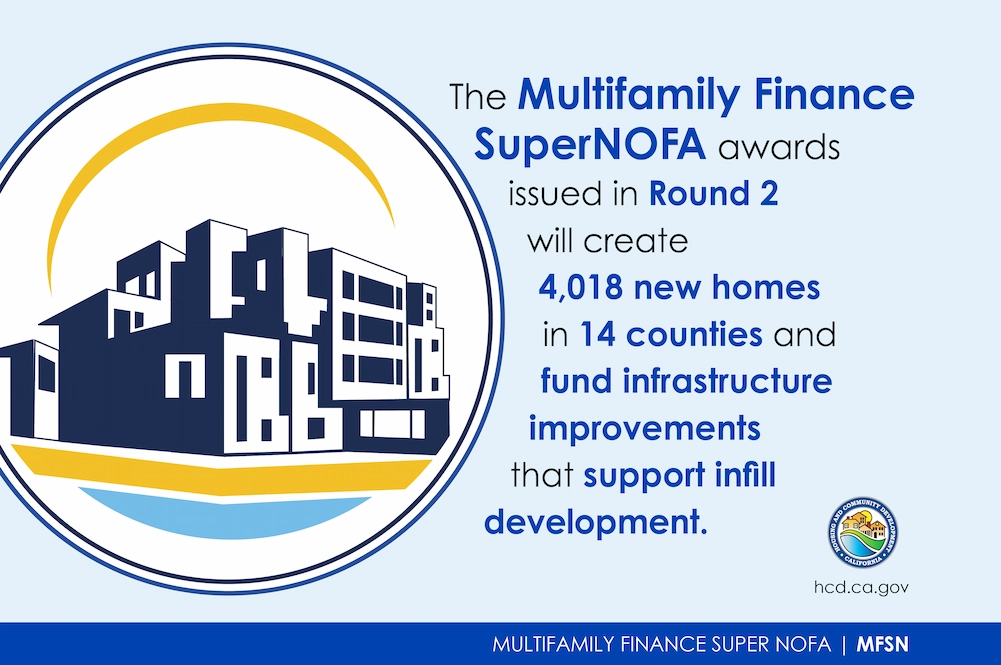
The California Department of Housing and Community Development (HCD) announced the second round of awards from California’s innovative Multifamily Finance Super NOFA (MFSN), designed to spur much-needed housing development by reducing administrative barriers. This year’s awards, totaling nearly $523.8 million, support 51 projects that will include 4,018 homes and infrastructure improvements needed to support infill development.
“We need to build more housing, faster," said Governor Gavin Newsom. "The state is doing its part – investing to create 4,000 new affordable homes, cutting red tape, and holding cities and counties accountable. Addressing California's housing shortfall must continue to be a top priority – for all of us, state and local governments alike.”
The MFSN program allows developers to apply to four separate funding programs through a single application, saving builders time and money. These include the Multifamily Housing Program (MHP); Veterans Housing and Homelessness Prevention (VHHP) Program; Joe Serna, Jr. Farmworker Housing Grant (FWHG) Program; and Infill Infrastructure Grant Program of 2019 (IIG-2019). The programs provide loans for new construction and rehabilitation of multifamily developments, as well as infrastructure grants for capital improvements needed to allow for infill development.
“Planning for an additional 2.5 million new homes by 2030 is an ambitious goal, but it is critical to addressing California’s need for housing at all income levels,” said Business, Consumer Services and Housing Agency Secretary Tomiquia Moss. “The state can help make this target attainable by creating policies and programs like this—that break down barriers, save time, and reduce costs—to encourage developers to build in California.”
“A crisis of homelessness decades in the making can only be addressed if we create efficiencies to build more affordable housing faster,” said HCD Director Gustavo Velasquez. “The Multifamily Finance Super NOFA is a prime example of government working to be nimble, and breaking down silos separating funding programs so developers do not have to jump through so many hoops to house Californians in need of stability.”
The MFSN process creates opportunity for projects that serve many types of households – such as farmworkers, veterans, and people experiencing homelessness – and that meet multiple state goals, such as reducing vehicle miles traveled. Of the 4,018 homes in this year’s MFSN-awarded projects, 3,947 will be restricted to those earning 80% of Area Median Income or below. This includes 723 permanent supportive homes, 805 homes with 3-4 bedrooms for families, and 696 homes for seniors.
With a NOFA of $576 million and applications for $3.56 billion, MFSN as a whole was oversubscribed by a rate of six to one. However, eligible applications for VHHP and the statutorily required IIG Adaptive Reuse set-aside were undersubscribed, and the $52.2 million remaining from those two programs is anticipated to be made available in a future MFSN round.
The homes funded by today’s awards are anticipated to house more than 70,000 Californians over the life of the projects’ 55-year affordability covenants. For a complete list of awards, visit the Multifamily Finance Super NOFA webpage.
Hear from Los Arroyos residents Nicole and Rojelio and learn how having an affordable home has changed their lives.
Having a home is about having security, protection, and hope for the future. That is the sentiment heard from Nicole, a resident of Los Arroyos, a new affordable housing community in Farmersville.
Nicole and her daughter Solene moved into Los Arroyos last December. Nicole experienced homelessness for two years and escaped domestic violence before coming to Los Arroyos.
“The first day being here was unbelievable,” said Nicole. “I held my keys and couldn’t believe this is my own home.”
Los Arroyos provides 108 homes for low-income families and agricultural workers. The development is within walking distance of transit, schools, employment, and services. There are also a community center, computer lab, after-school program, playground, outdoor spaces, and on-site supportive services.
Having a home is also about love, surviving, and being at peace, said Rojelio, another resident of Los Arroyos. He previously lived in a market-rate apartment where he struggled to pay the higher rent. As an agricultural worker, Rojelio said his work schedule is dependent on the weather – which means his paycheck was at times less than he needed.
“(Life) is less stressful,” said Rojelio. “Now I don’t have to struggle. I am surviving now without struggling.”
A development of Self-Help Enterprises, Los Arroyos was supported by more than $24 million from various HCD programs including the Affordable Housing and Sustainable Communities program, the Infill Infrastructure Grant program, the Permanent Local Housing Allocation program, and the Joe Serna, Jr. Farmworker Housing Grant program.
Los Arroyos is sustainable and energy-efficient with solar panels, water conservation, and a grey water recycling system. The project also helps reduce greenhouse gases with transit improvements funded in part by HCD such as bike lanes, sidewalks, walking trail paving, transit shelters, and electric vanpooling vehicles for residents.
Rojelio spoke at the recent ribbon-cutting ceremony for Los Arroyos. He said the community is loving and welcoming, has given him a sense of calm, and inspires him to improve himself.
Nicole said living at Los Arroyos also has inspired her. She said moving into her new home prompted a journey of healing and growth. She said she has become more independent and more confident; Nicole now feels her future has potential, and she has hopes to attend pharmaceutical school.
“(Los Arroyos) is where (Solene) can grow and I can develop my skills,” said Nicole. “Having the space to cook, having a place to sleep…it is like a dream come true.”
Hear from Nicole and Rojelio in the video below.
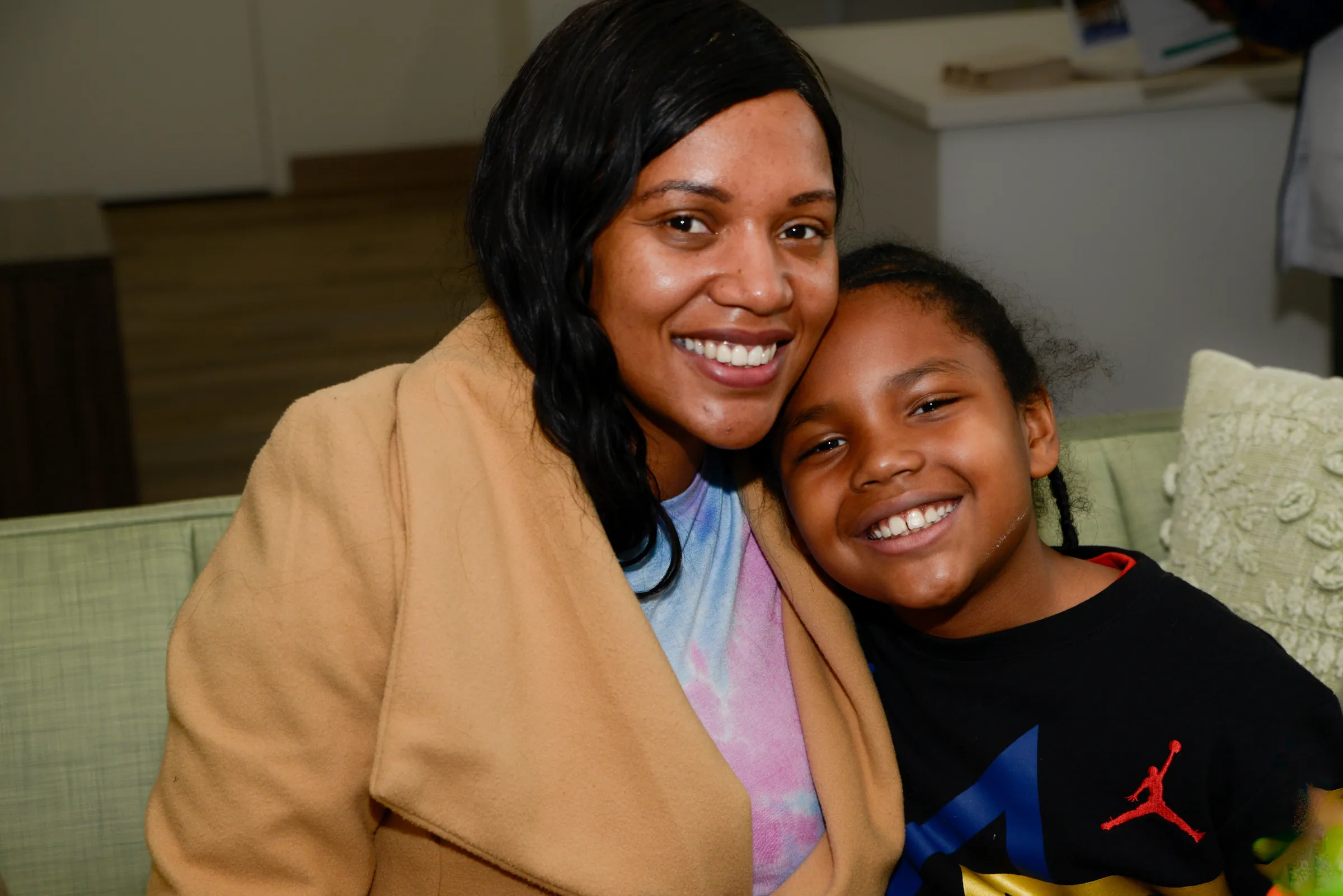
Lashay had lived in the same apartment for ten years. But when the neighborhood became overrun with drugs, Lashay knew she needed to move for her 8-year-old son Michah’s safety. Unfortunately, shortly after moving, she and her son needed to move again to escape an abusive environment.
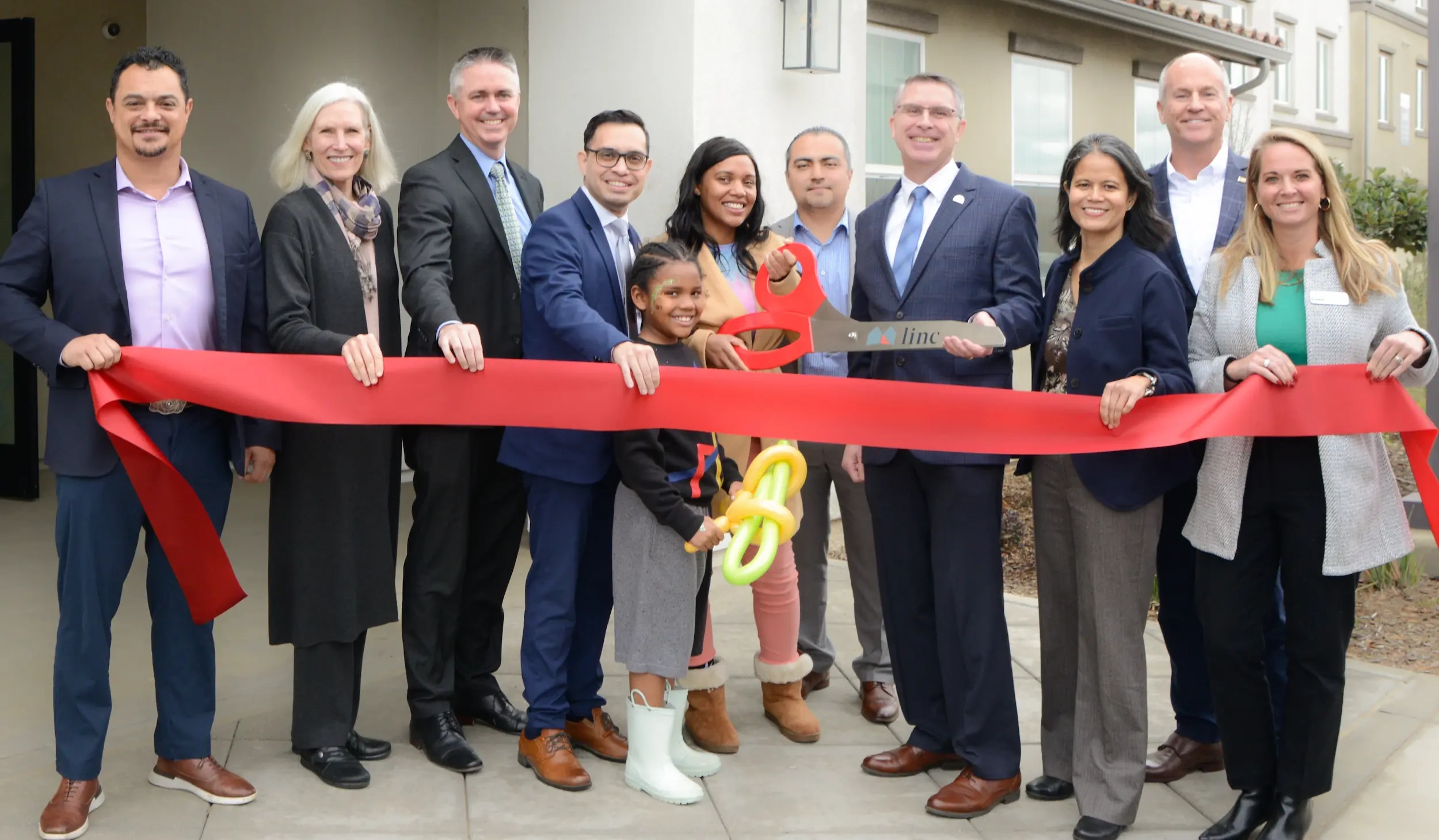
She then heard about The Blossom, a new affordable housing community in Beaumont, and was excited to learn she qualified to live there. Lashay and her son moved in and spoke at the recent ribbon-cutting ceremony.
“(The Blossom) felt like our chance at a fresh start,” Lashay said.
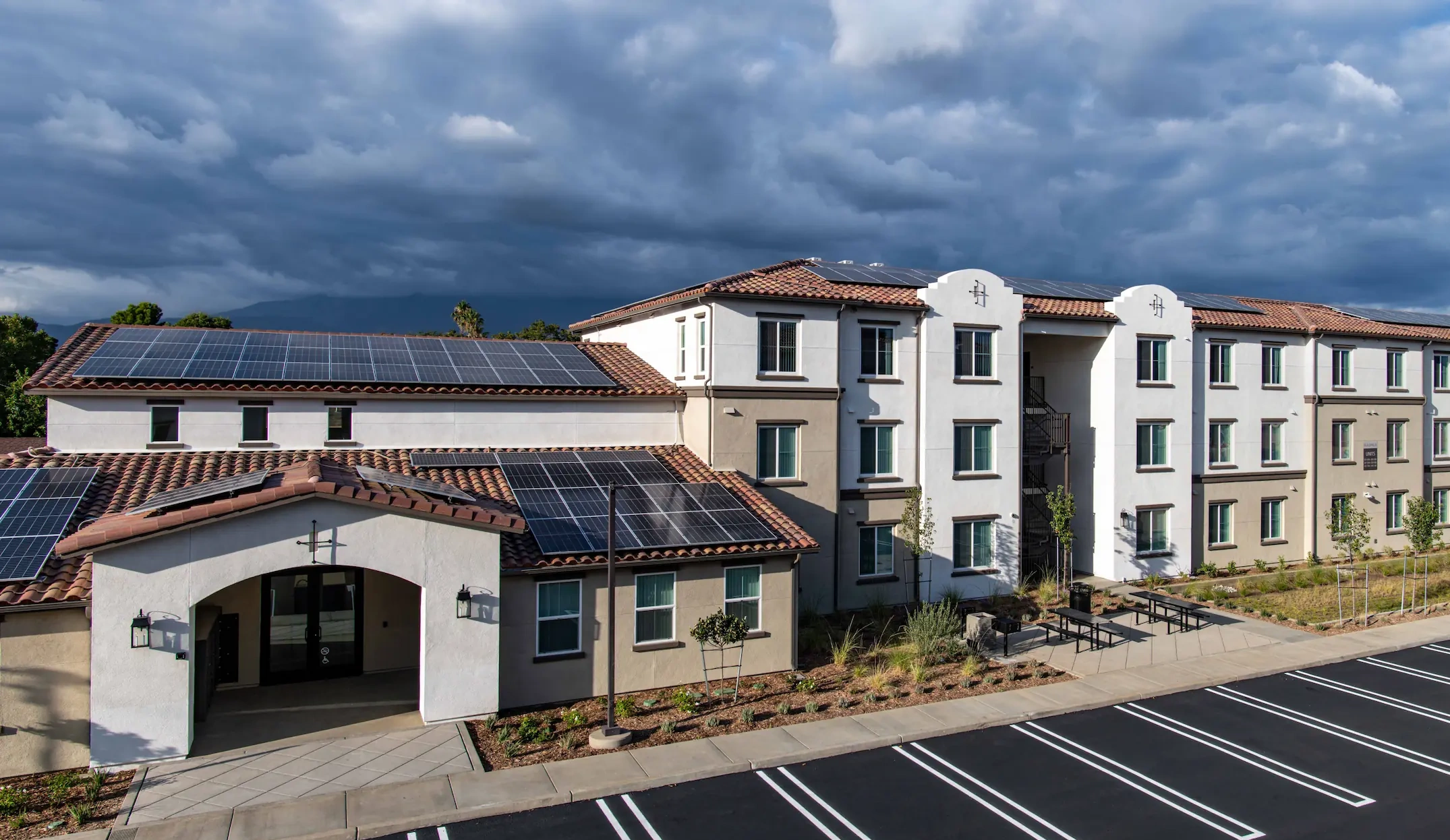
A project of Linc Housing, The Blossom provides 48 homes for families earning 30 percent or less of the Area Medium Income. In addition, The Blossom offers a variety of programs and supportive services for its residents, including an after-school program, job readiness and money management workshops, and exercise and nutrition programs.
Supported by nearly $12 million from the California Department of Housing and Community Development’s Multifamily Housing Program, The Blossom also has a community room with kitchen, a computer lab, activity spaces, onsite laundry, and outdoor amenities.
Lashay recently started school and aspires to be an x-ray technician. She also recently landed a temporary job with the County of Riverside as an election worker.
“This new home really is the foundation we needed,” Lashay said. “I won’t lie though… We still have challenges to overcome; money is tight, parenting can be hard, relationships are tough – but I feel good about my future. I tell everyone, these apartments are called Blossom for a reason. I’m going to blossom here.”

The Blossom in Beaumont

Ribbon-cutting ceremony of The Blossom